
PAYMENT OPTIONS EXPLAINED

FULL PAYMENT OPTION

PART PAYMENT OPTION

Get ready to achieve something incredible! Browse over 70 challenges across 4 continents to find your challenge of a lifetime.
Join the specialists in worldwide charity trekking and cycling challenges to provide your supporters with the fundraising adventure of a lifetime!
From one day challenges, week long trips or full expeditions, explore the fundraising and team building events we can offer your organisation, school or private adventure!
Now you've booked, check out our suggestions to get ready to take on your challenge!
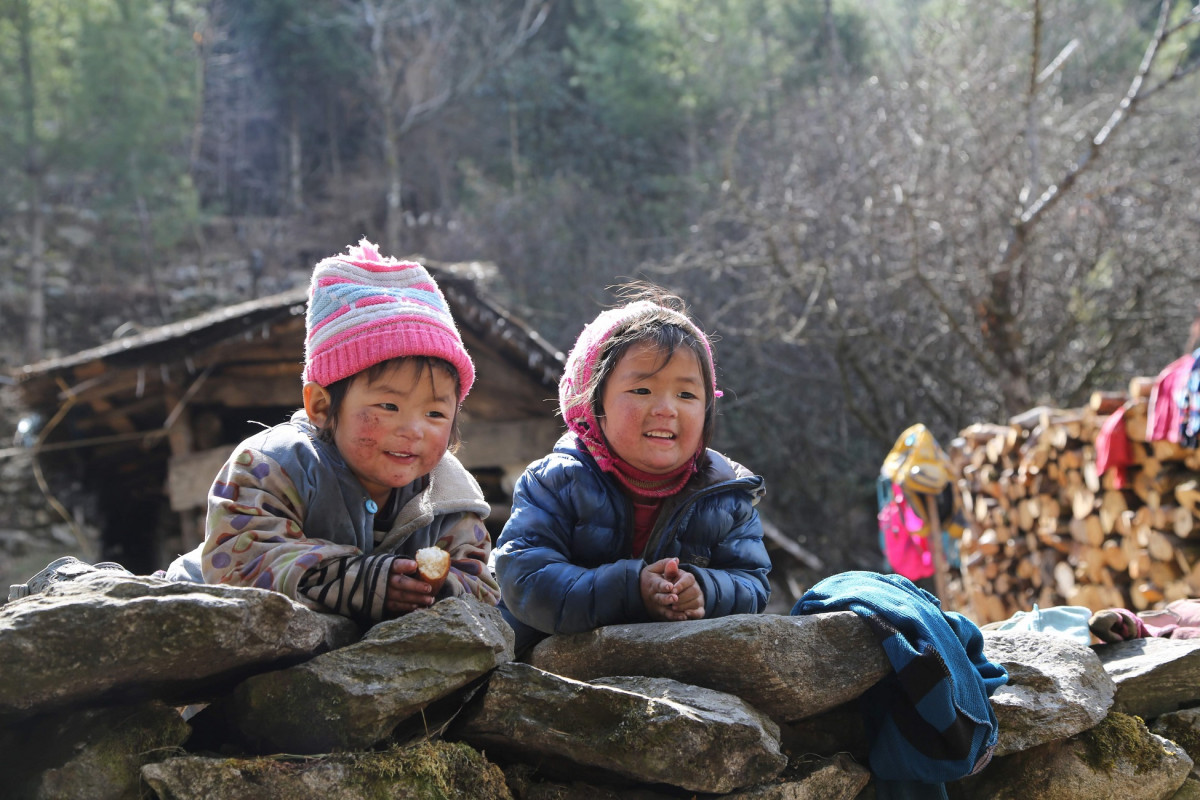
Nepal is a country in a league of its own with breathtakingly beautiful scenery, a fascinating culture and friendly people. Meeting the villagers whilst trekking through this landlocked gem of a nation is one of its greatest pleasures.
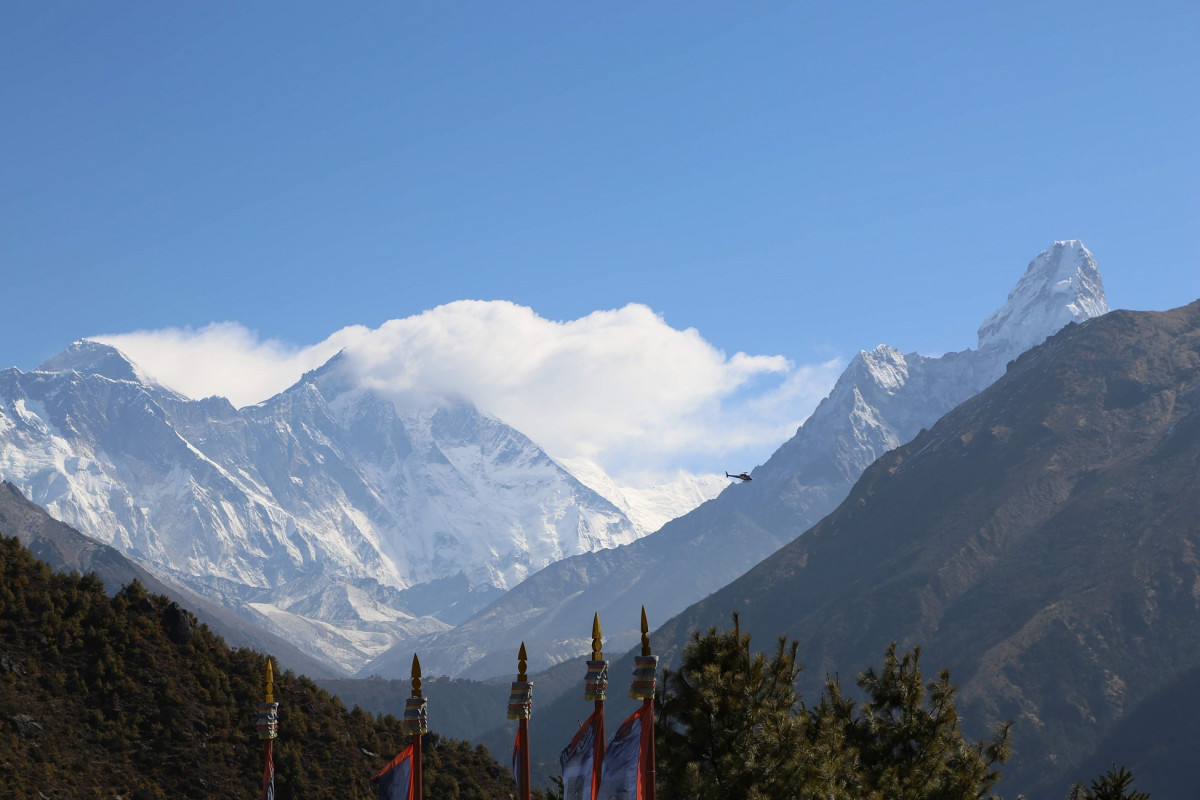
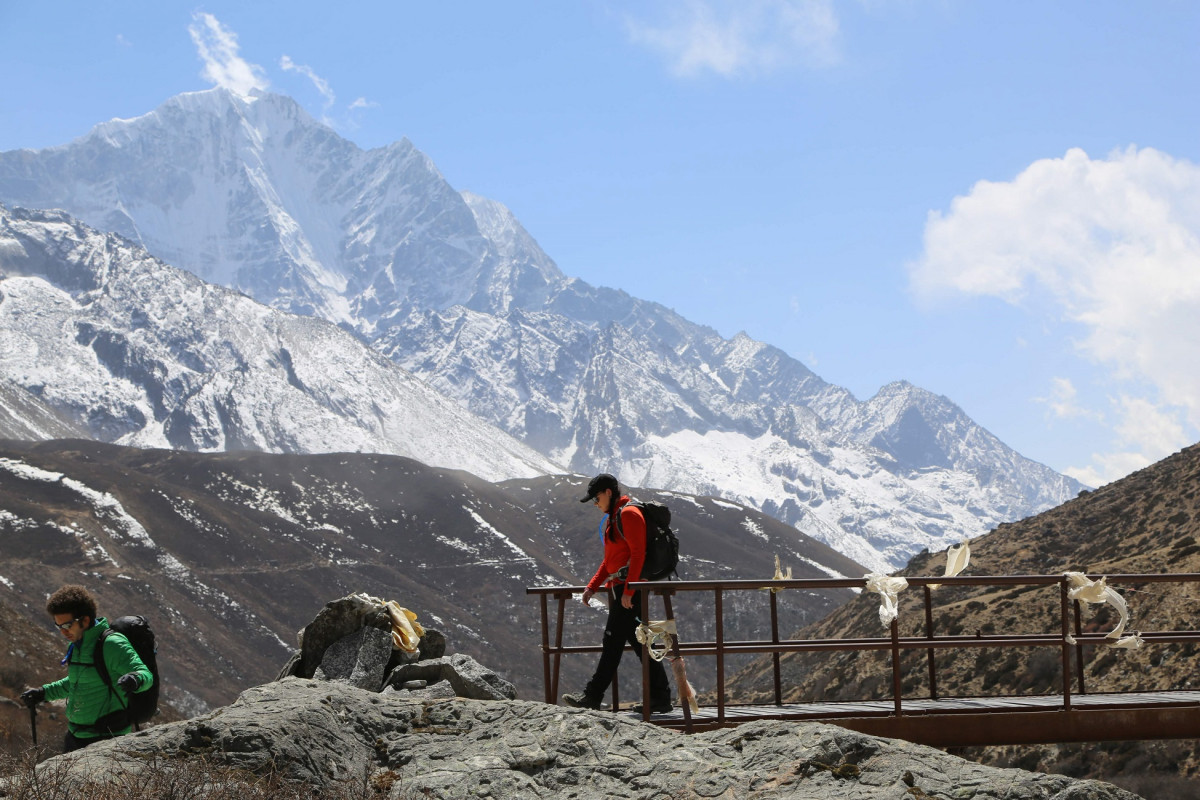
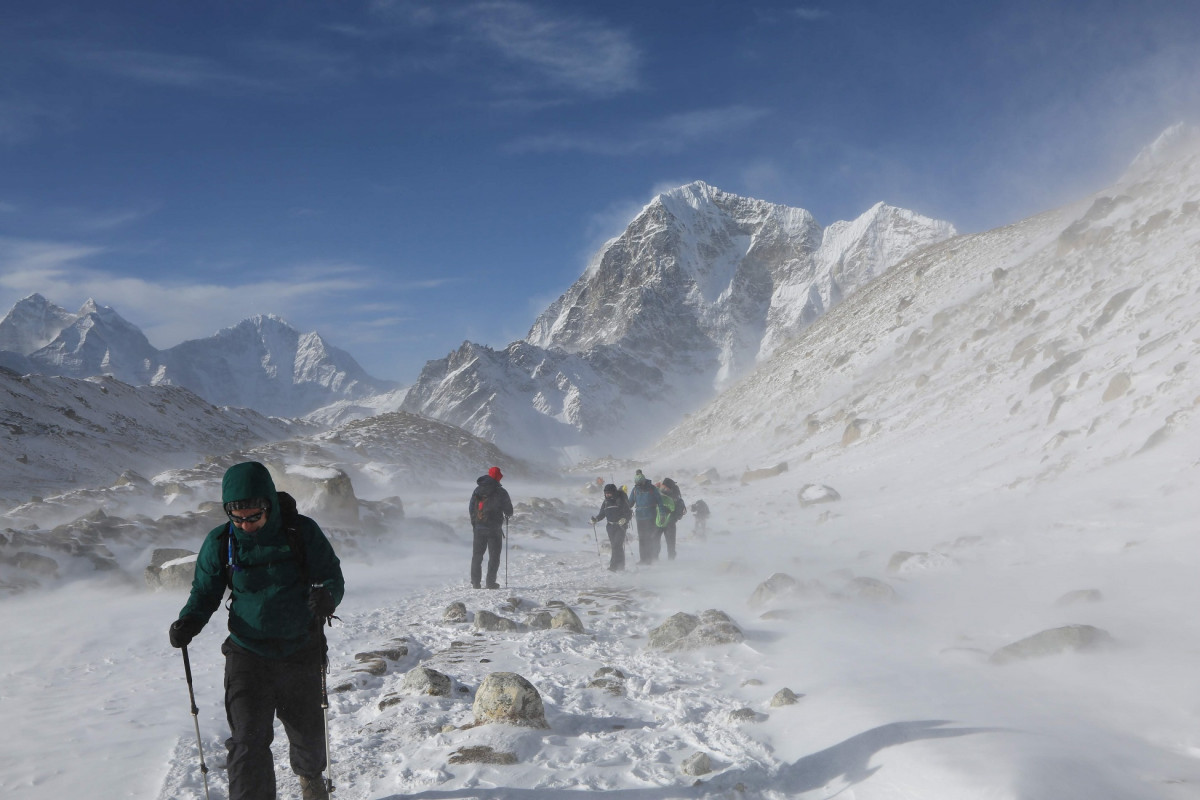
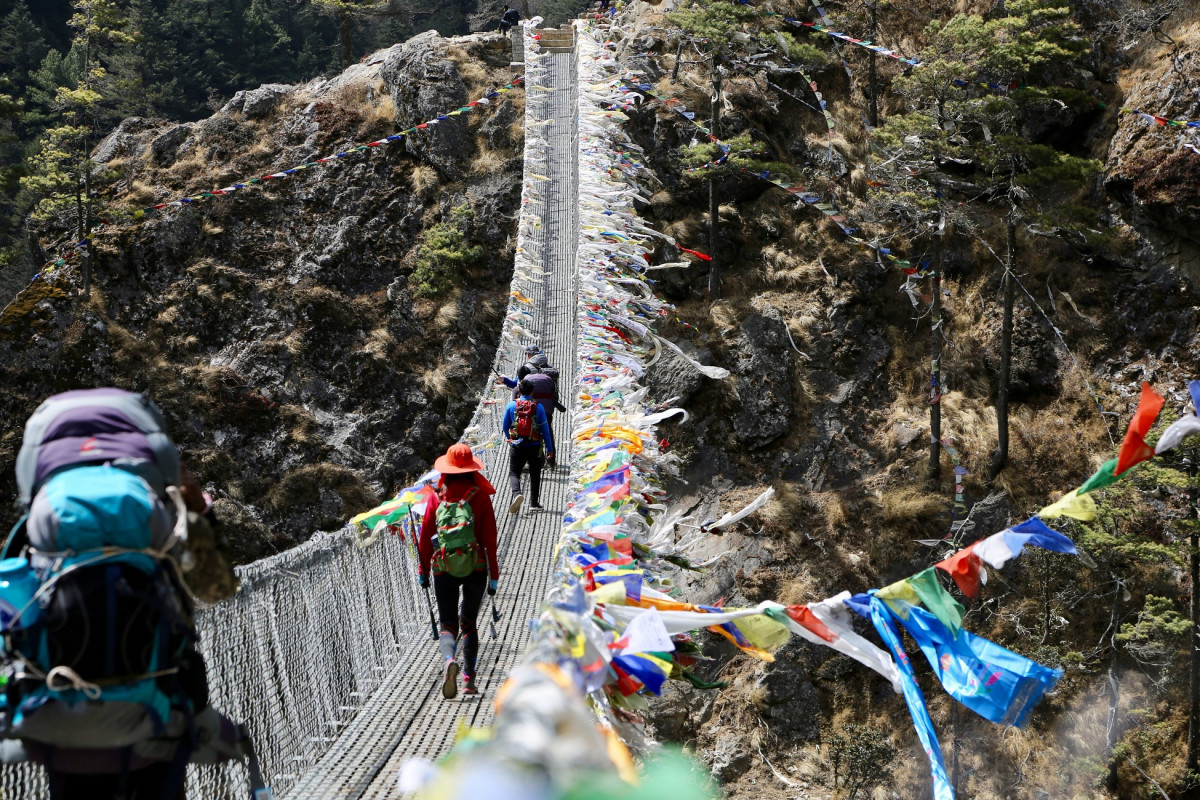
Our route takes us via the Sherpa capital of Namche Bazaar through beautiful valleys, dense forests and across glacial rivers, enjoying tantalising glimpses of the mighty Everest before we reach our goal of Base Camp. There is also time built in to trek to the summit of Kalapatar, the famous Everest viewpoint, and wonder at views of the highest mountain on the planet at sunrise.
We also have time to explore the colourful and frenetic capital of Kathmandu.
This trip generates around 318 kg of CO₂ per person. Because of our commitment to responsible travel, we offset 100% of these emissions, including flights booked with us.
Dates & PricesWe arrive into Kathmandu, usually late afternoon, and transfer to our hotel in the Thamel area. We have time to relax before dinner in a local restaurant and a good night’s sleep. Night hotel.
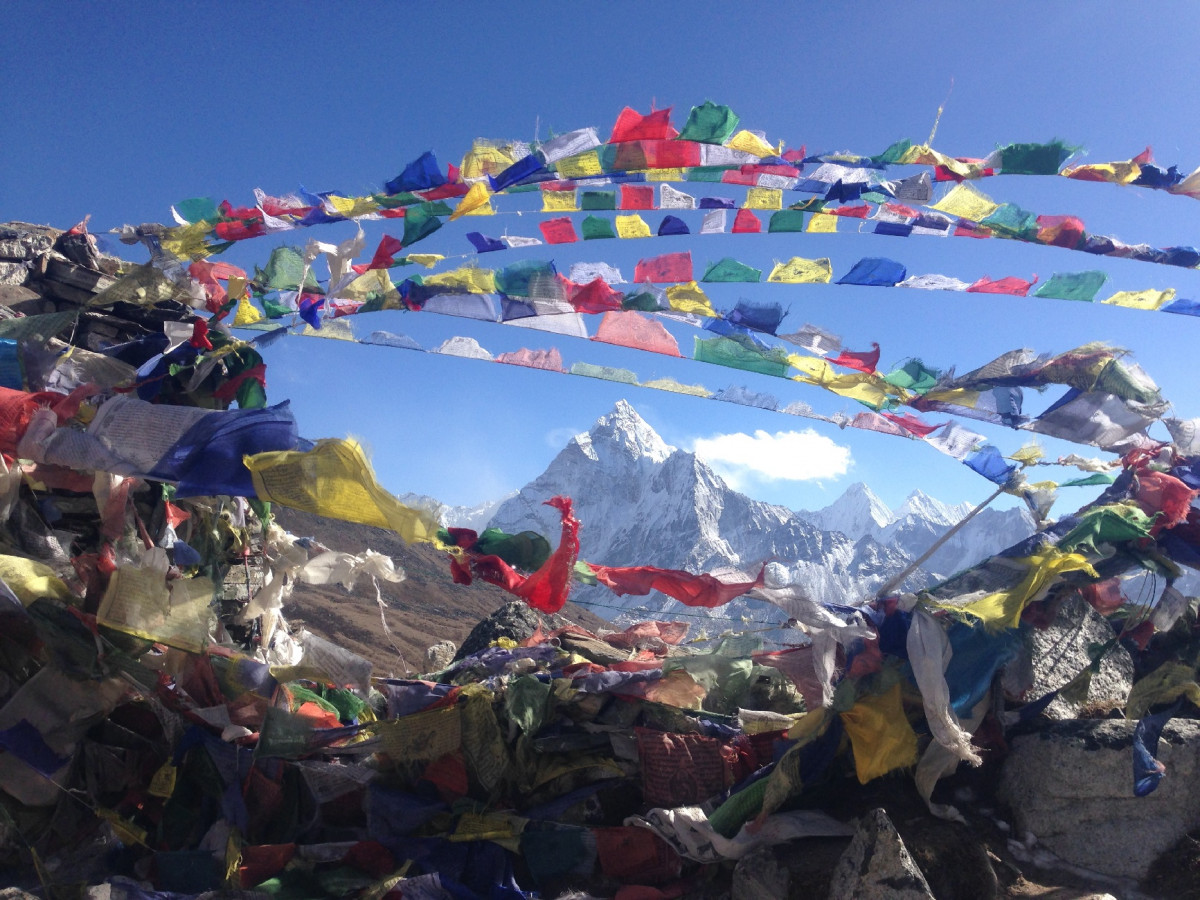
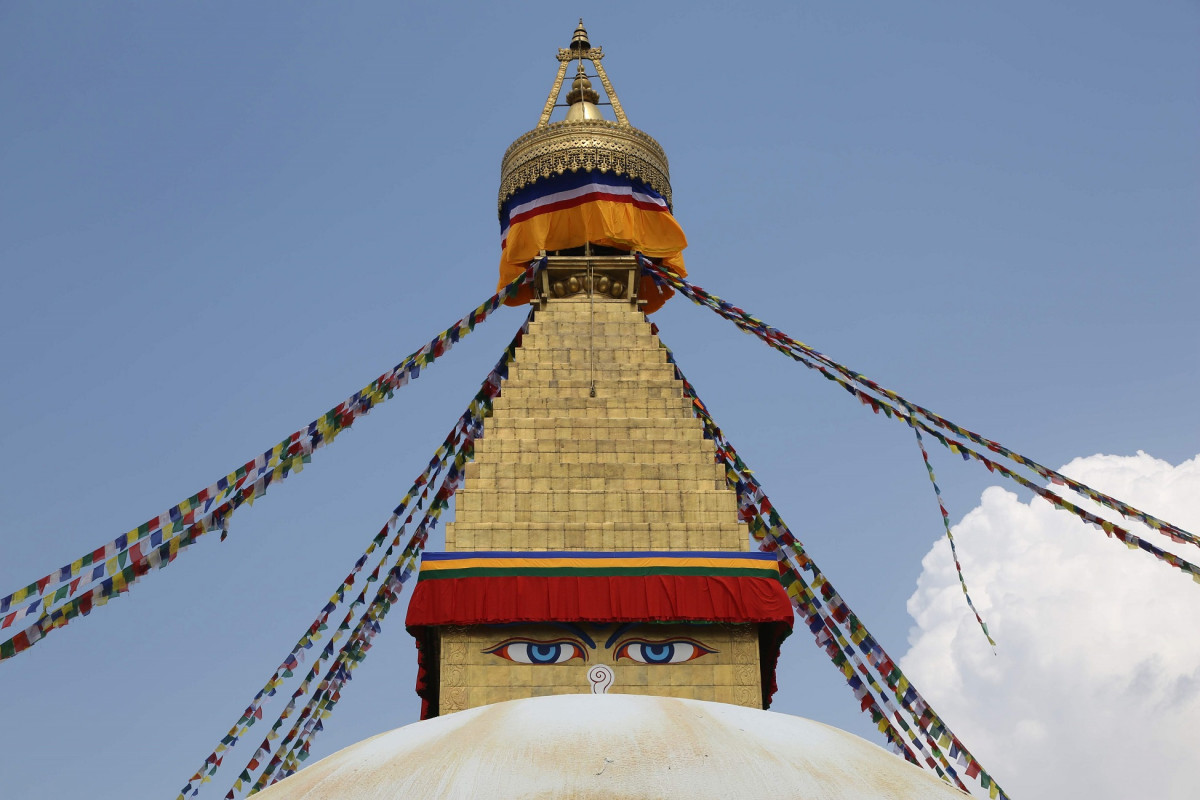
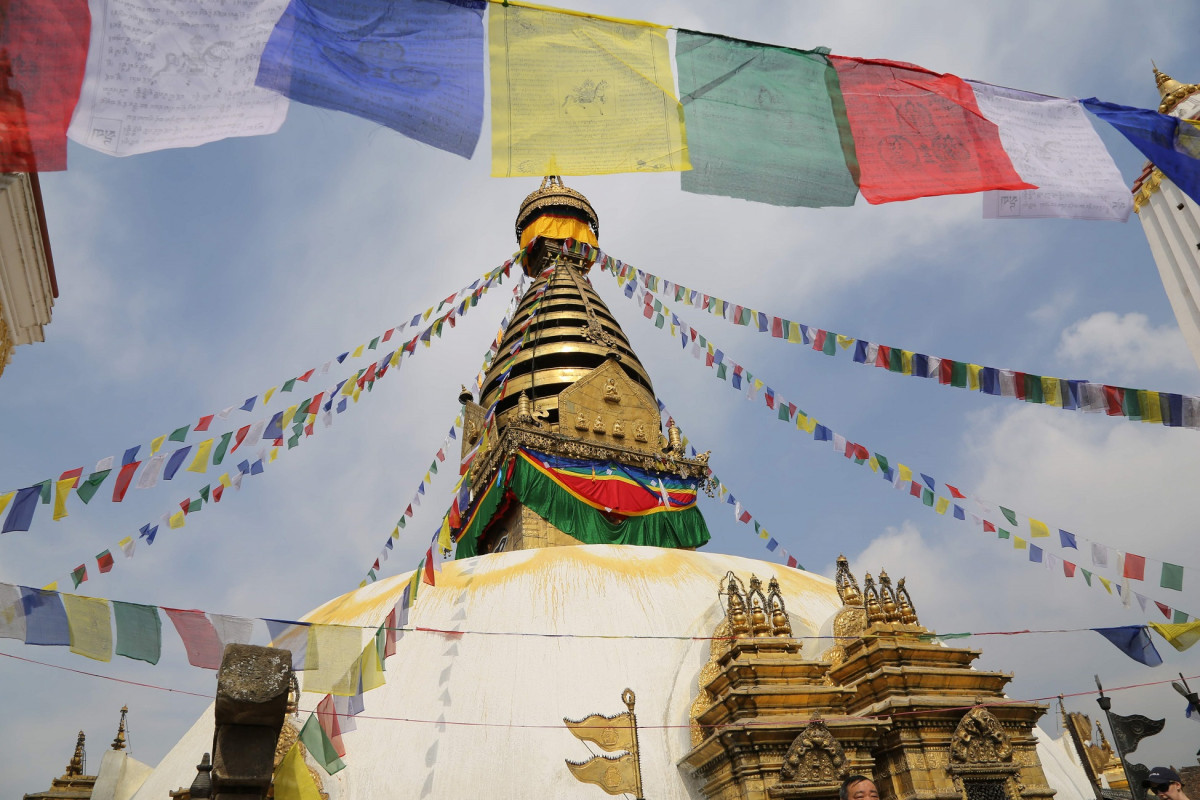
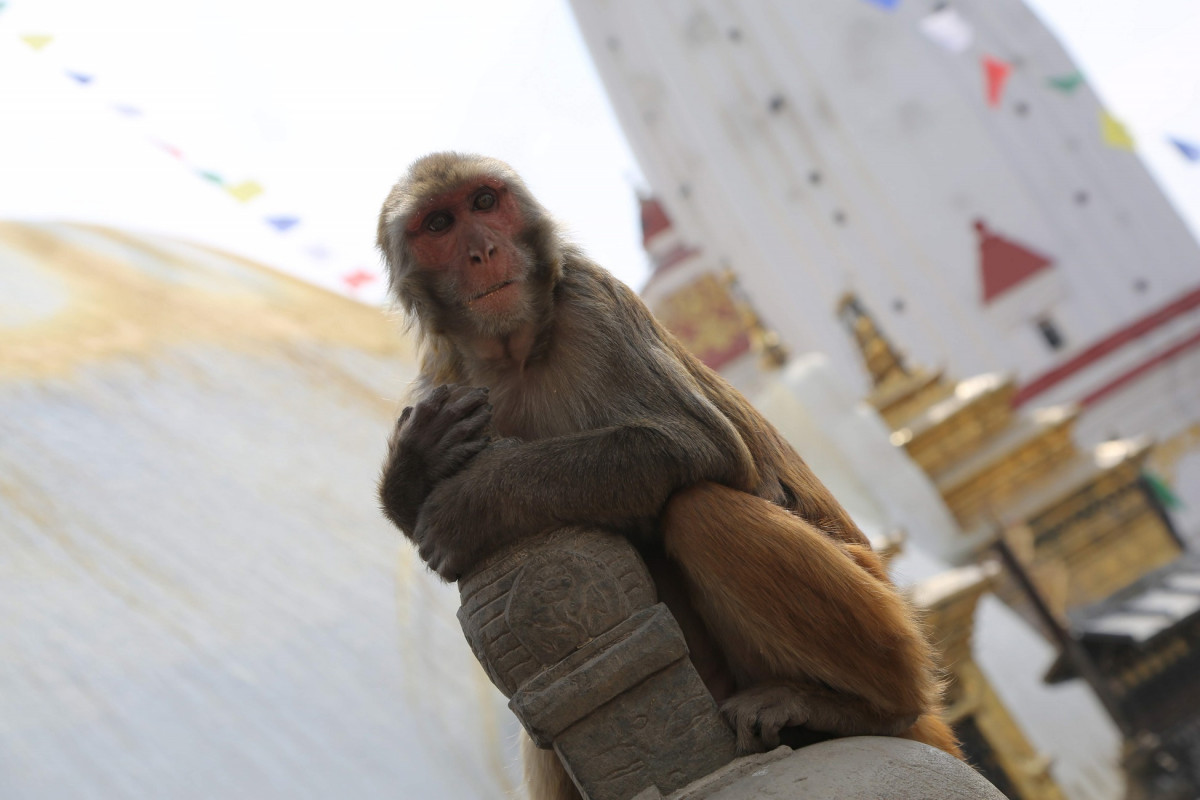
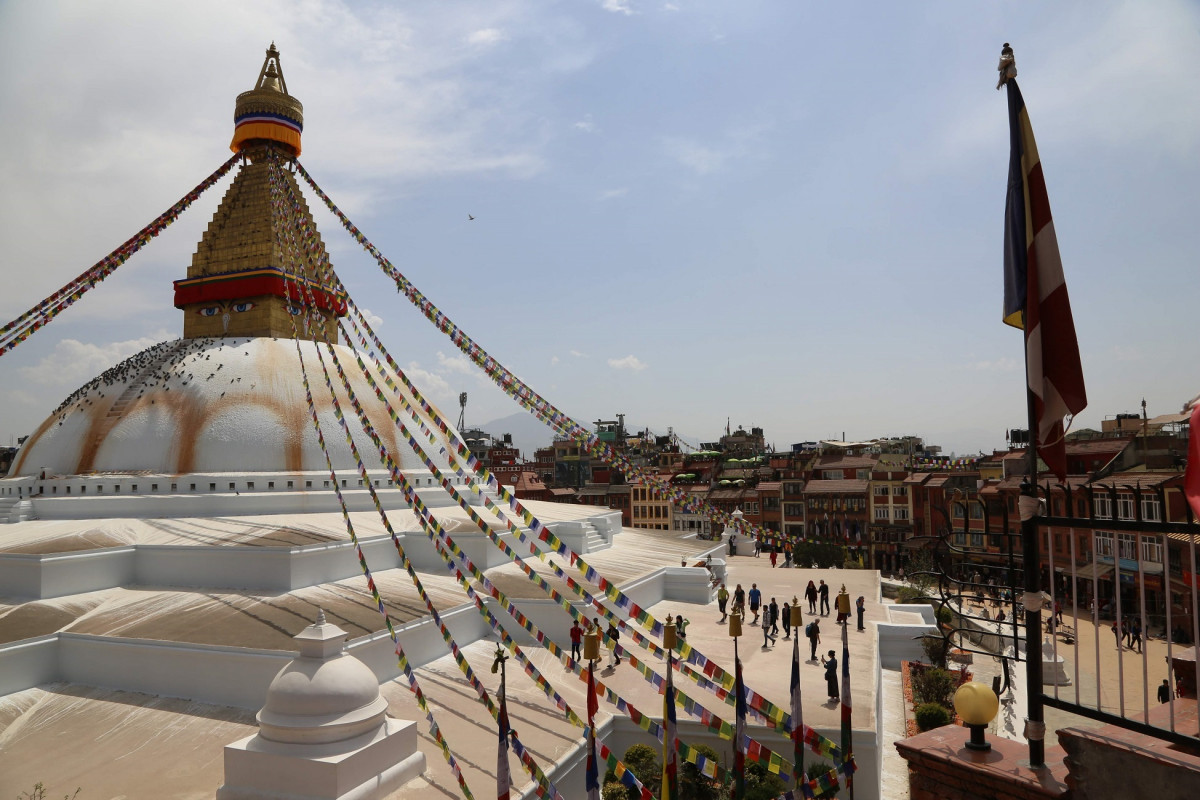
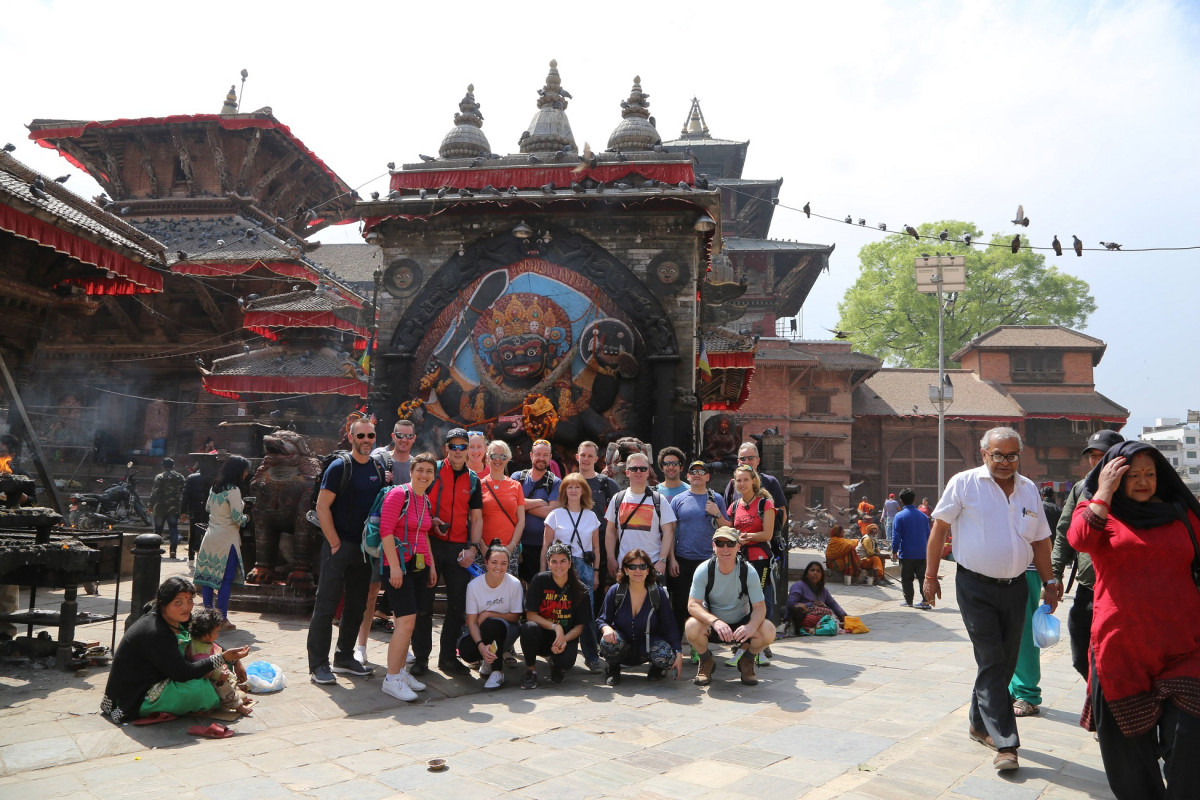
After a full trip briefing, we head out into Kathmandu and take in some fantastic sights, such as Bodhnath and Swayambhunath (more commonly known as the monkey-temple): Buddhist temples swathed in prayer-flags and incredibly photogenic! Packed full with temples and palaces, markets and sadhus, Kathmandu is a labyrinth of streets and markets, crowded with exotic produce and a mystifying blend of people. Visit the central Durbar Square, infused with a medieval atmosphere, overflowing with stupas and home to the Old Royal Palace. There is also the opportunity to hire/buy any last-minute trekking equipment or haggle for your souvenirs at the many shops and stalls. We return to Thamel for lunch and have the afternoon free to explore before returning to the hotel in time for dinner and our final packing session. Night hotel.
(Lunch not included)
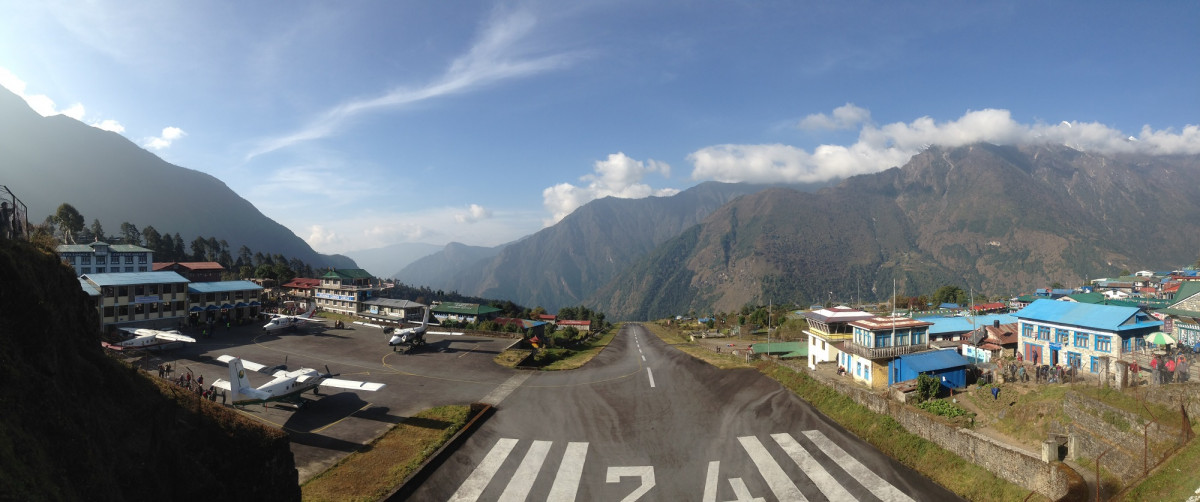
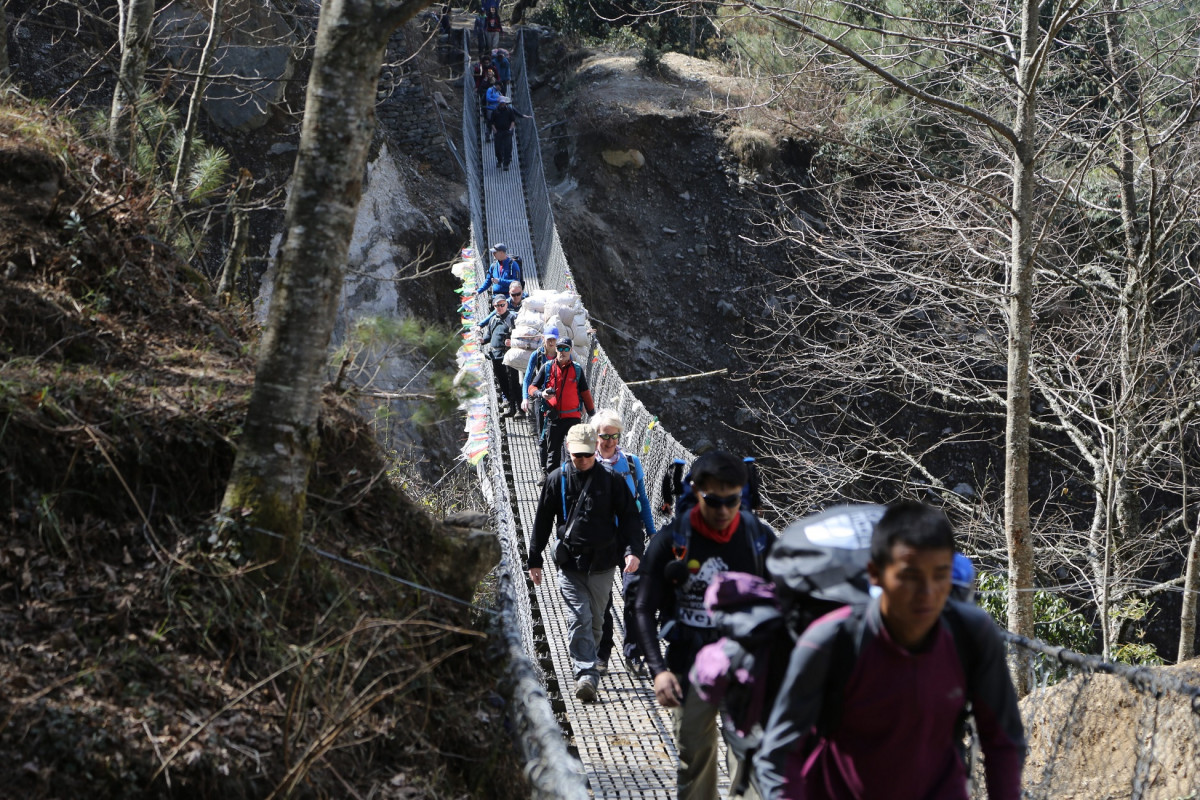
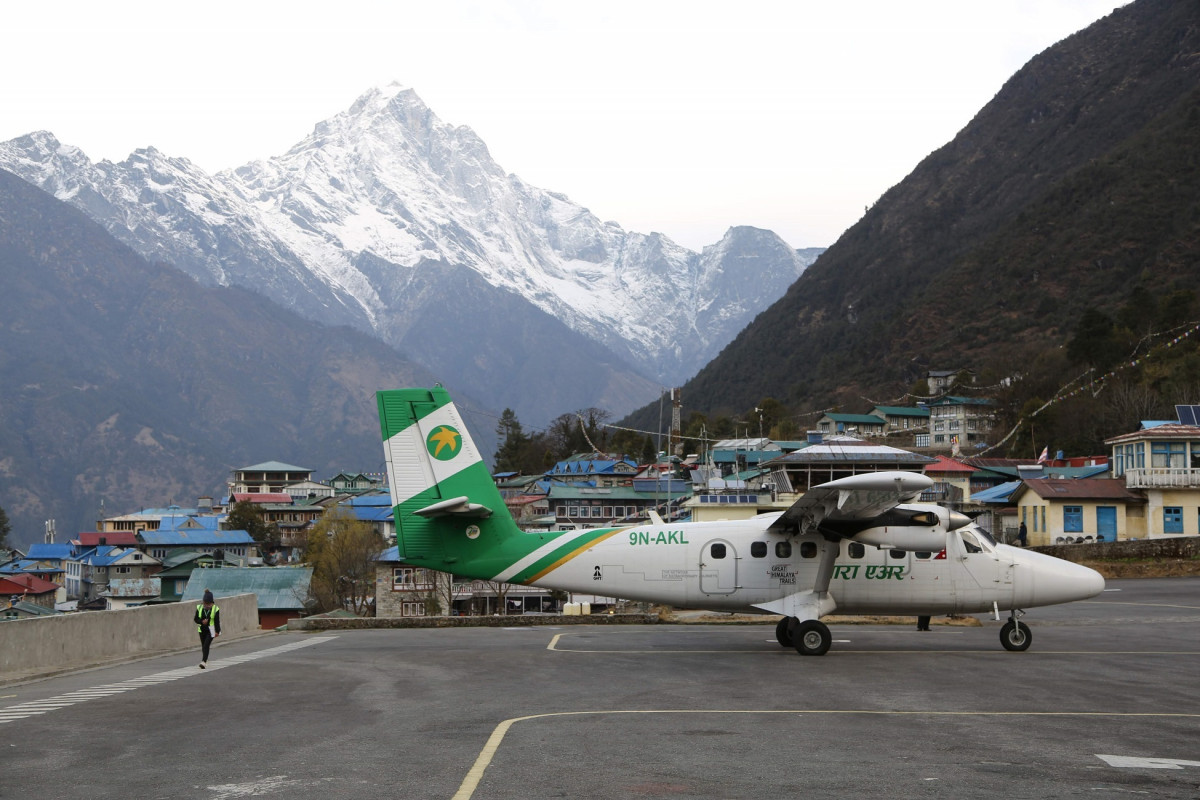
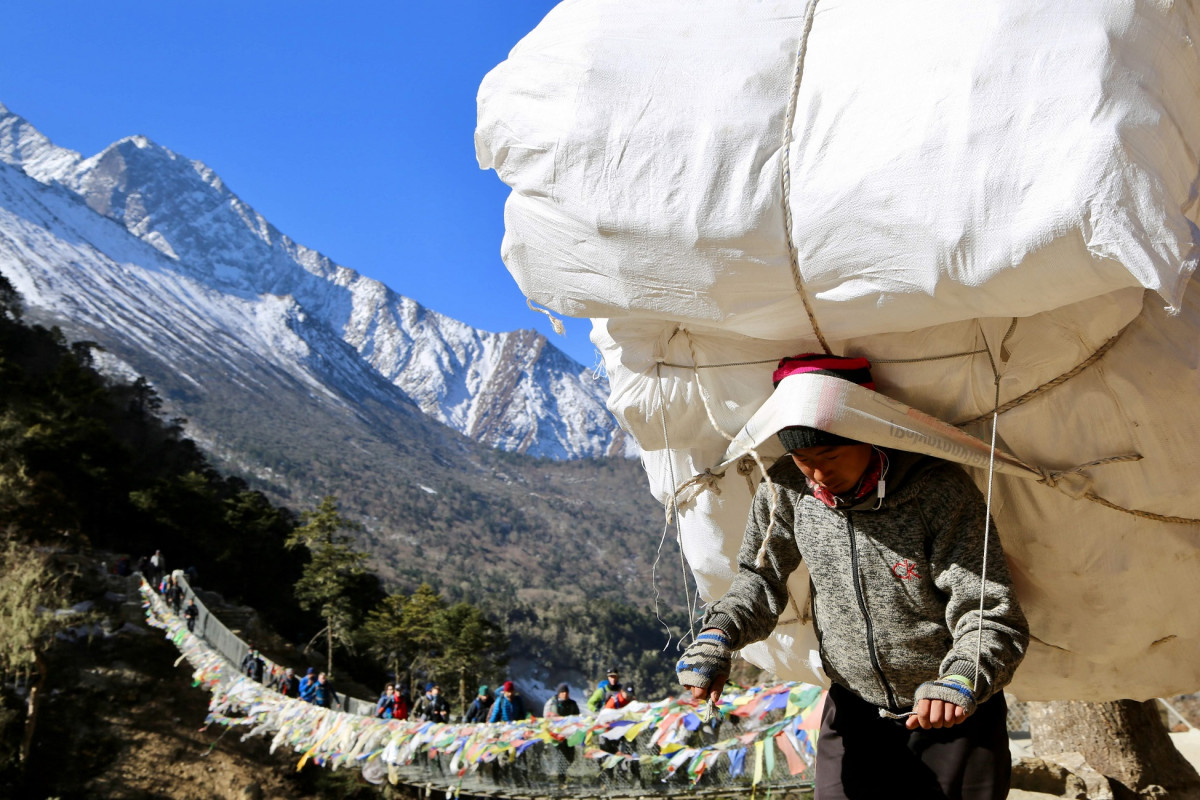
We take a stunning early morning flight to Lukla, ‘Gateway to the Everest region,’ perched at 2840m above the Dudh Kosi or ‘River of Milk’ – so named because of the pale milky appearance of the glacier melt-water. We are now in the region of the legendary Sherpas and you will notice the difference in the faces of the people you meet here and those from the Kathmandu valley. After meeting our assistant guides and porters in a local tea house, we trek north down towards Phakding (2610m) along a meandering trail which is lined with mani stone walls, made with hundreds of stone tablets and giant carved boulders, some brilliantly decorated with brightly-coloured paints. The Buddhists believe these to be sacred and so as a sign of respect to the local culture we pass them in a clockwise direction. Night teahouse.
Trek approx. 3 hours
NB: We’re not always able to fly from Kathmandu to Lukla for this challenge. During peak seasons, flights from Kathmandu to Lukla are limited. When this is the case, we will transfer to Mulkot on Day 3 (approx. 4 hours’ drive) after a city tour of Kathmandu. We will stay overnight in a hotel and take the internal flight from Ramechhap to Lukla the following morning (Day 4). From then on, the itinerary will continue as normal.
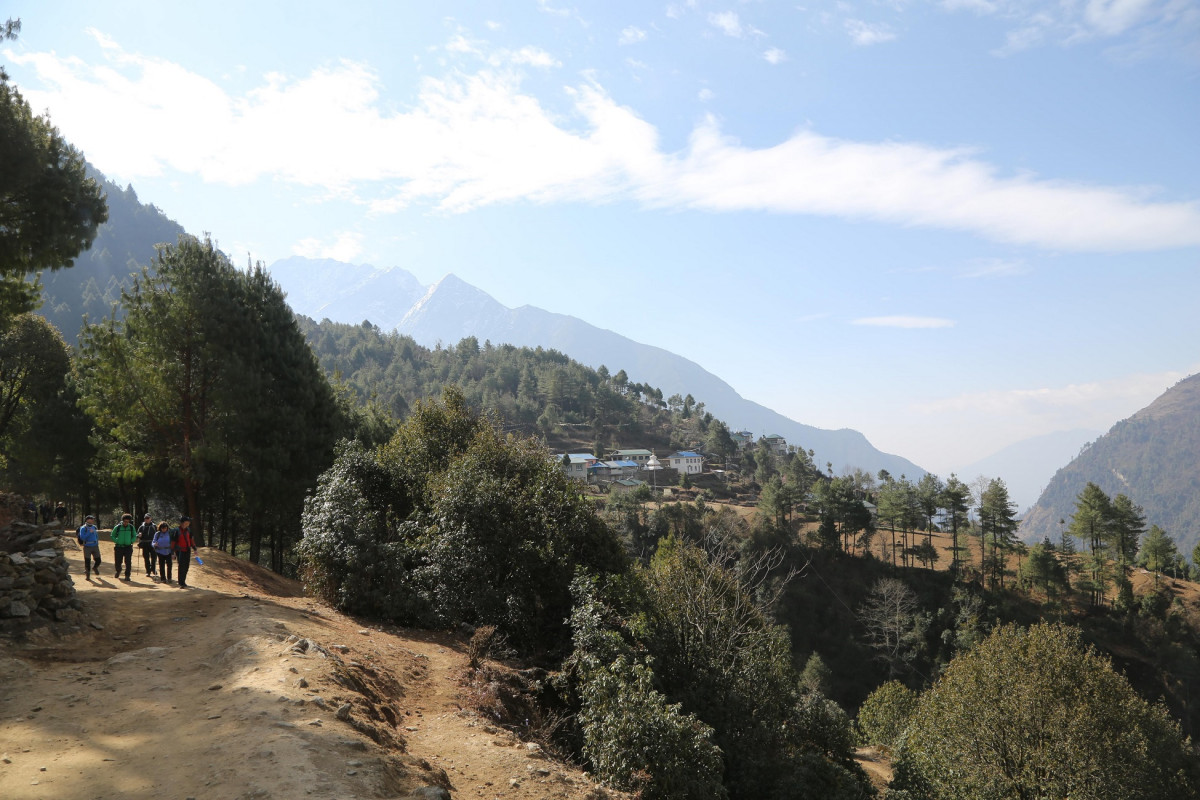
We head onwards and upwards as the trail starts to rise through a forest of rhododendron, magnolia and giant fir-trees. Our target this evening is Namche Bazaar (3440m), a delightful mountain village and the Sherpa ‘capital’, but first we must ascend Namche Hill; walking at a gentle but steady pace we finally arrive at the town that is itself an important meeting and trading point for the local people. Night teahouse.
Trek approx. 7-9 hours
A valuable acclimatisation day sees us walking up to a great viewpoint to get our first sighting of Everest and its equally famous neighbours. We also take in the local museum before heading up further via the airstrip, stopping at the highest hotel for a well-earned cup of hot lemon, having gained approx 400m. We then head back to our tea house for lunch and a rest in the afternoon. We can explore the markets (which sell everything a trekker could need!) or happily laze in the sun. It is important to note that acclimatisation is extremely important and that by using these acclimatisation days correctly we greatly improve our chances of reaching our goal of Base Camp, which lies at an altitude of 5364m. Night teahouse.
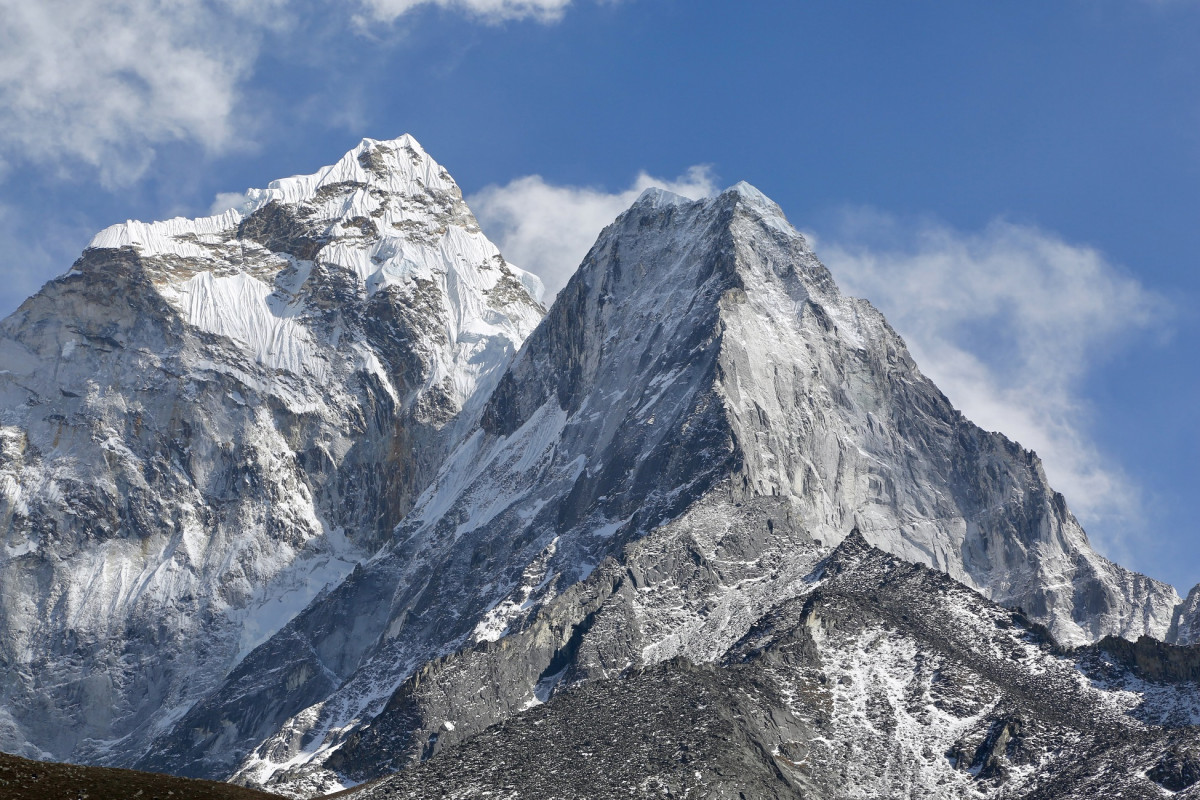
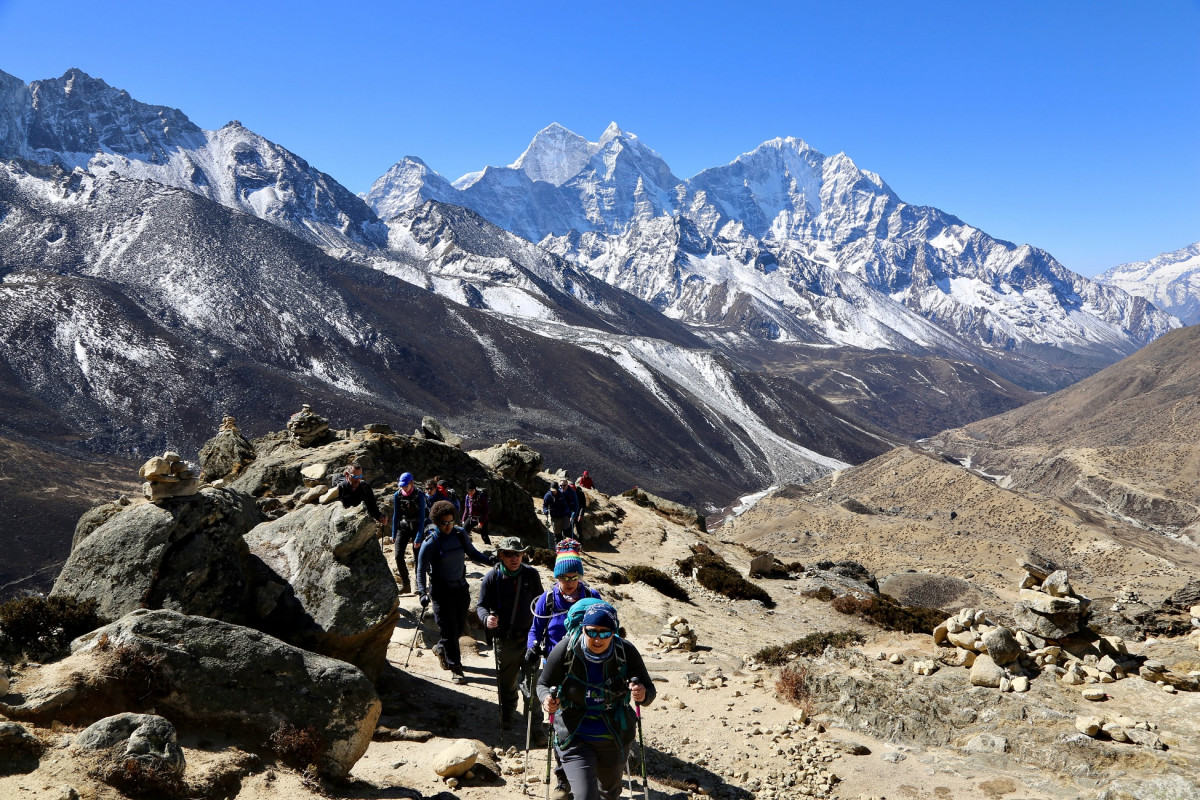
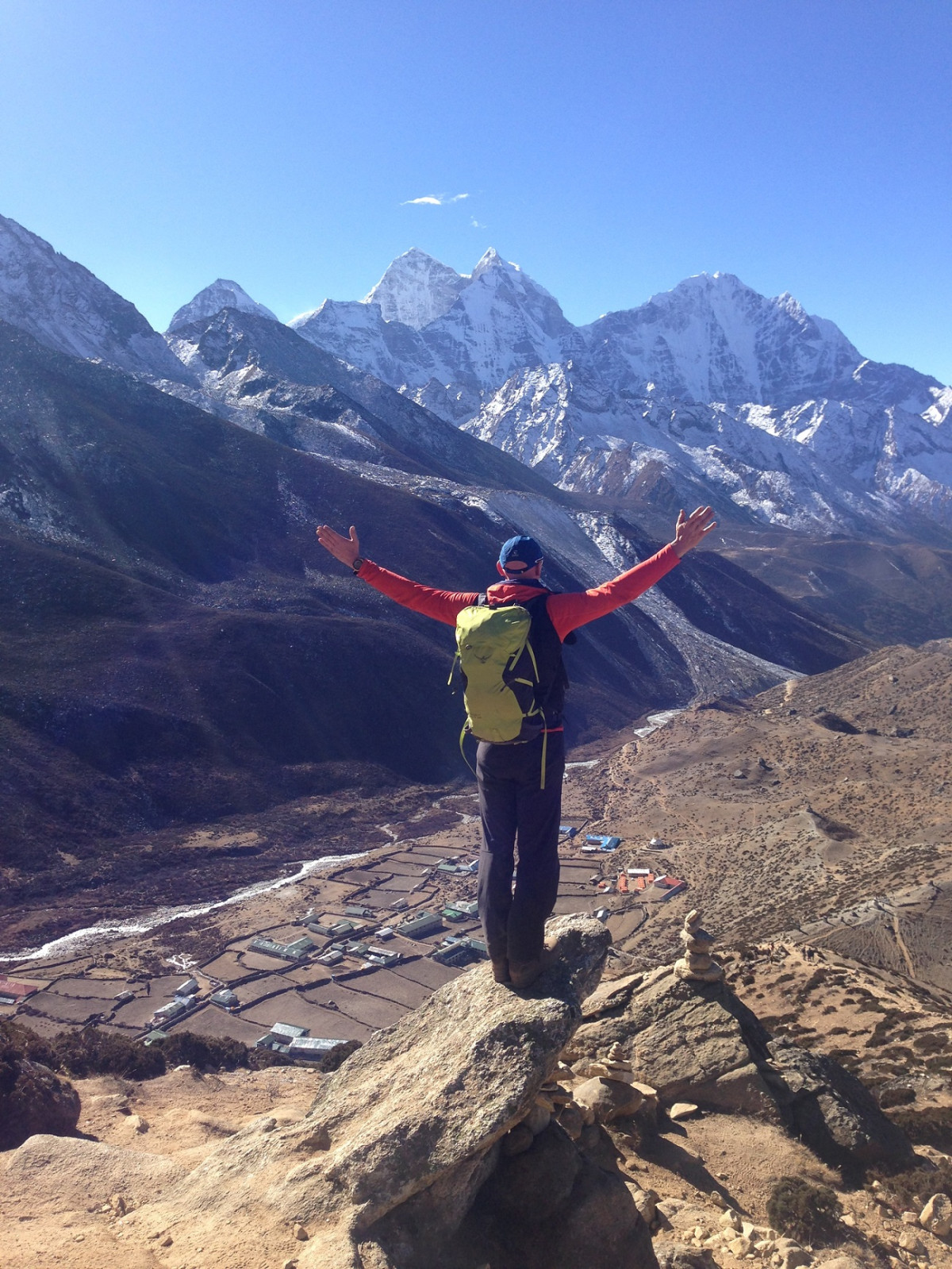
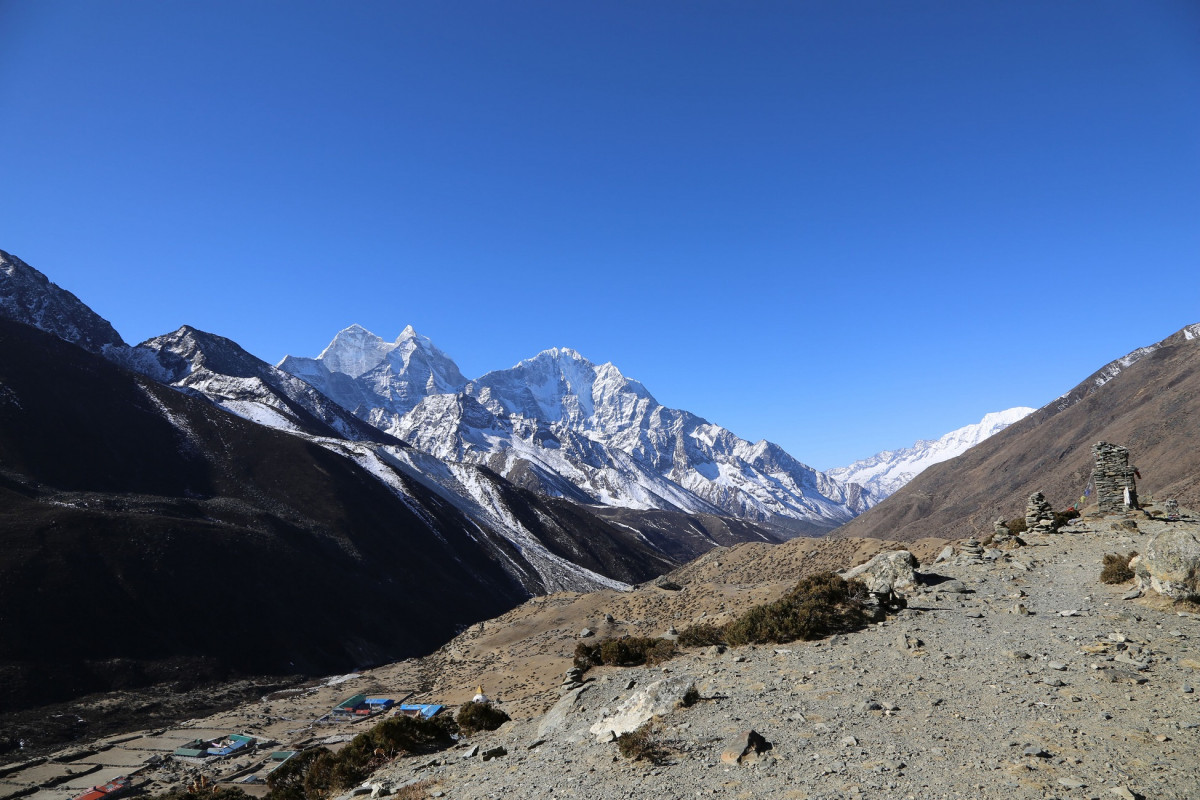
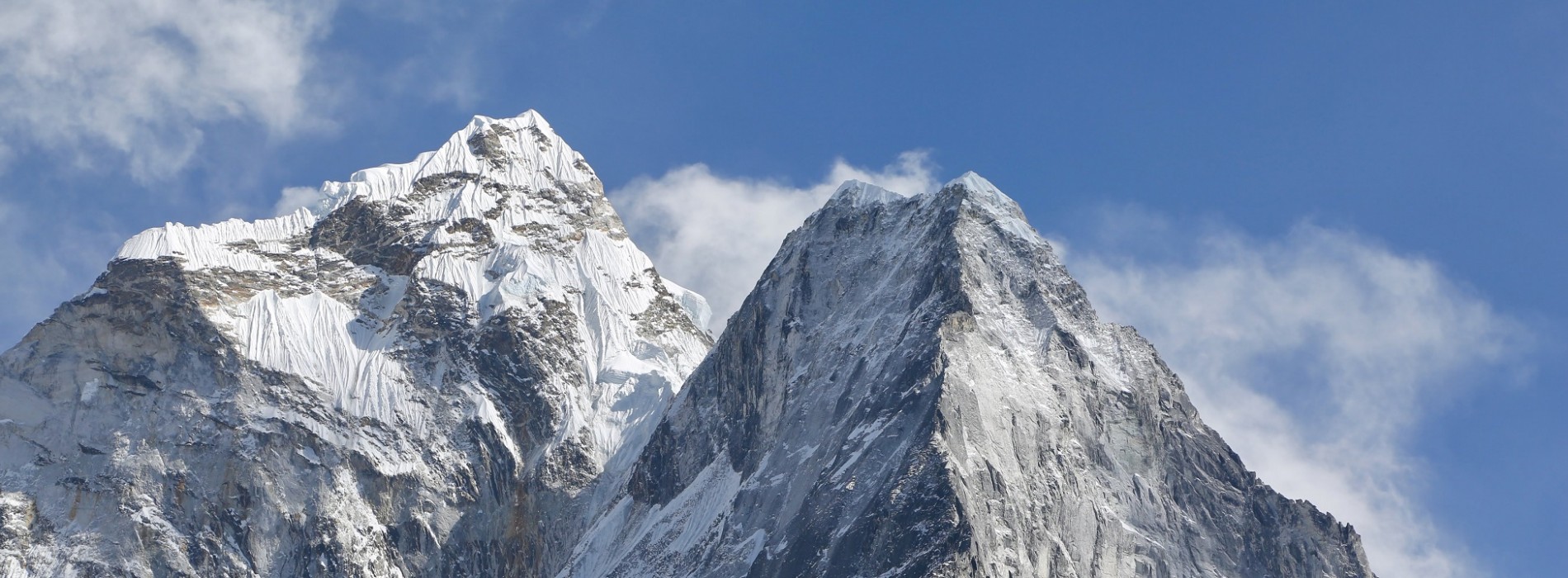
The trail turns northeast from Namche along a tributary valley and the mountain views start to open up, becoming more dramatic as the climb approaches the holy ground of Tengboche, which is surrounded by a protected juniper forest; this section takes around 5-7 hours. From here, on a ridge above the much-photographed gompa (monastery) is a mountain vista with few equals: Everest, Lhotse, Nuptse, Ama Dablam, Kwangde and Kangtega all loom above us. After a good night’s rest, we head up to the valley and reach the picturesque ‘summer village’ of Dingboche (4400m), where it is time to take another acclimatisation day. Nights in teahouses.
Trek approx. 6 – 8 hours daily
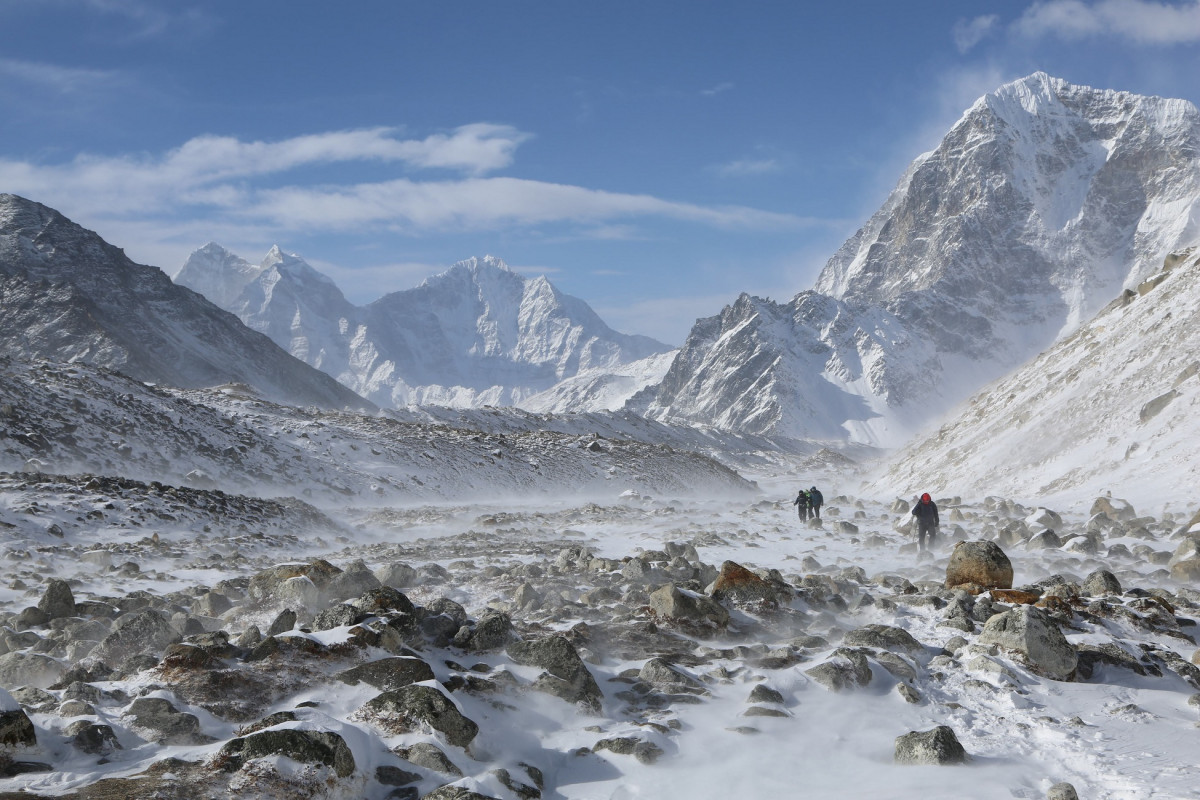
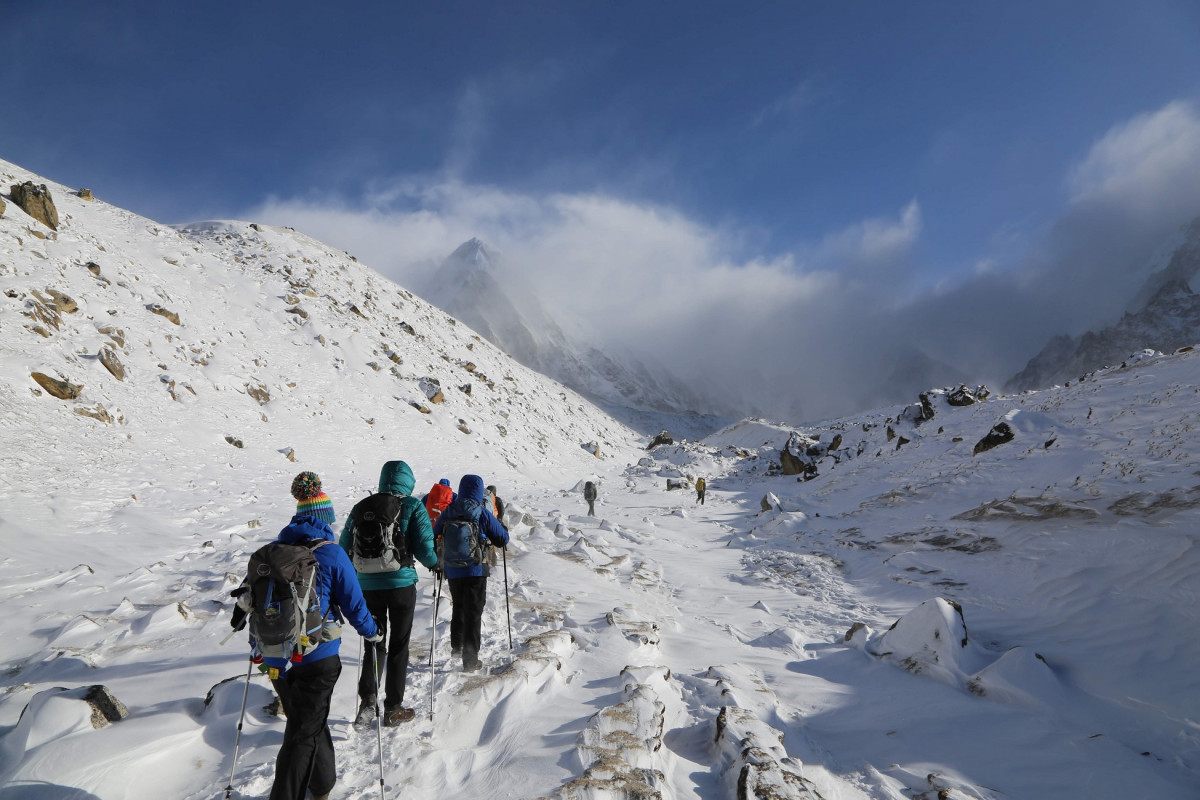
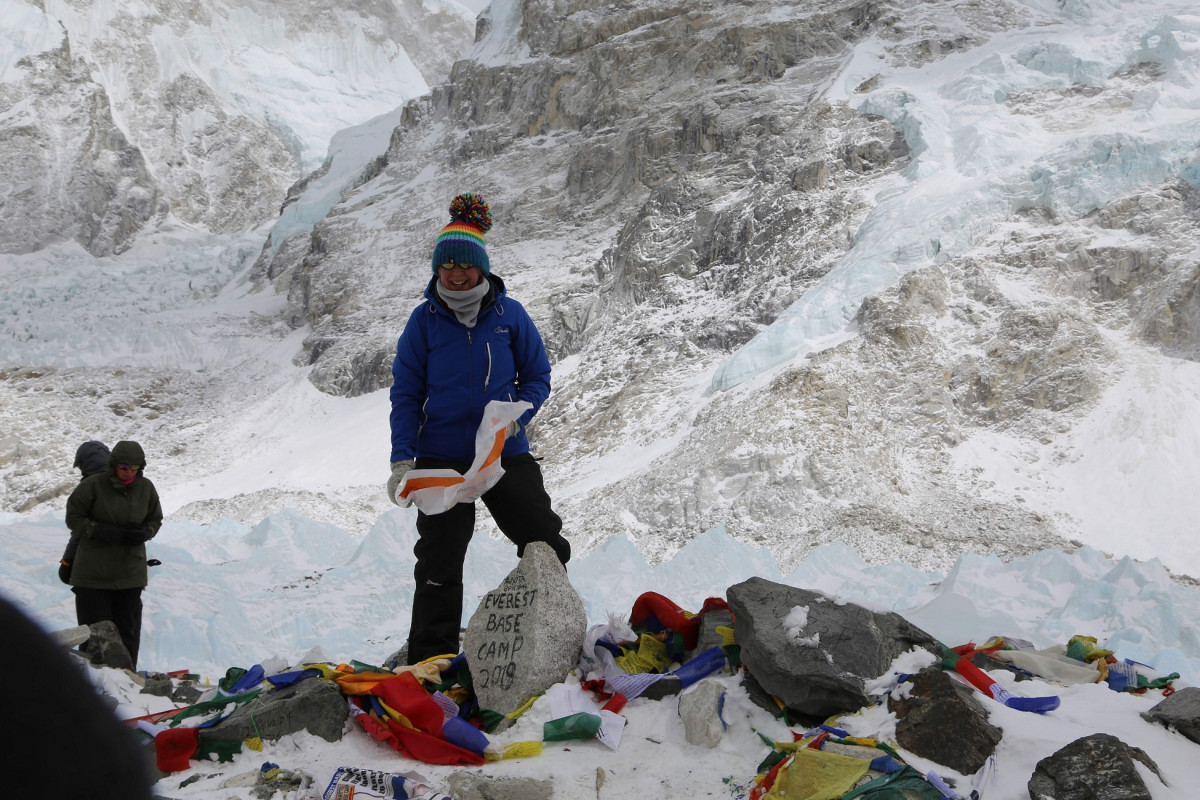
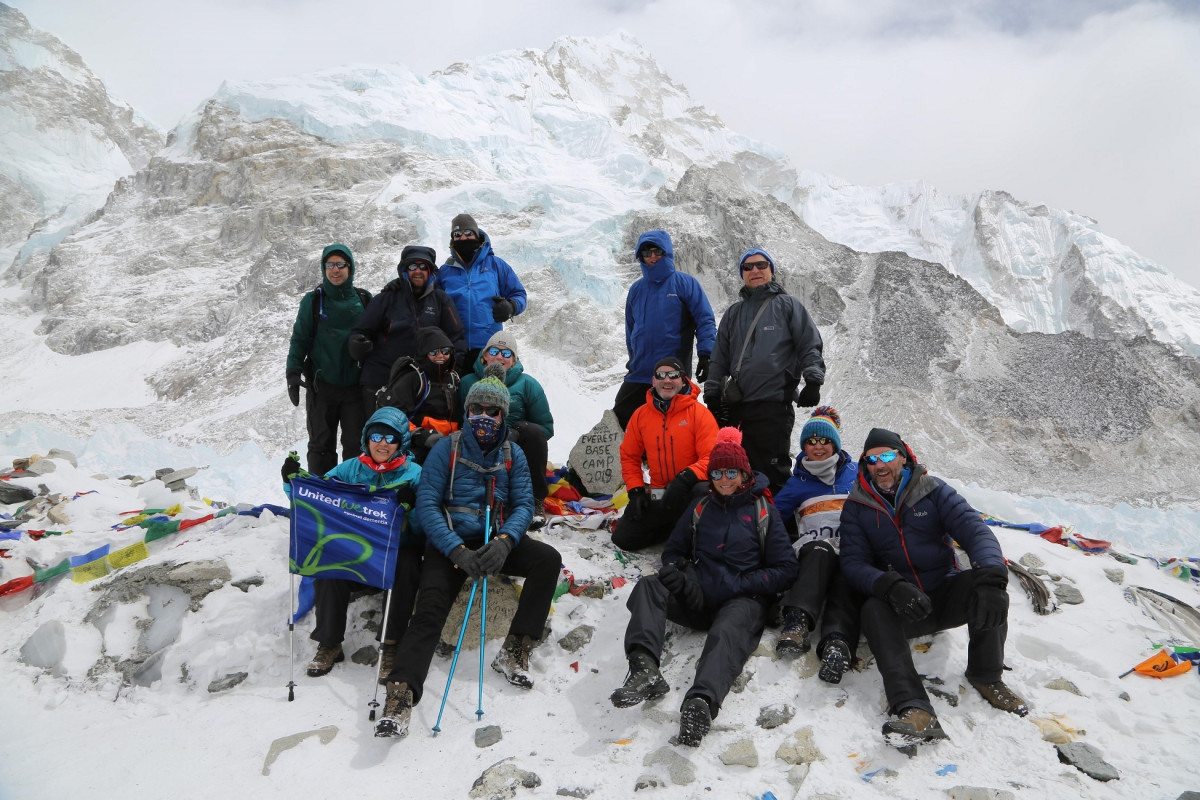
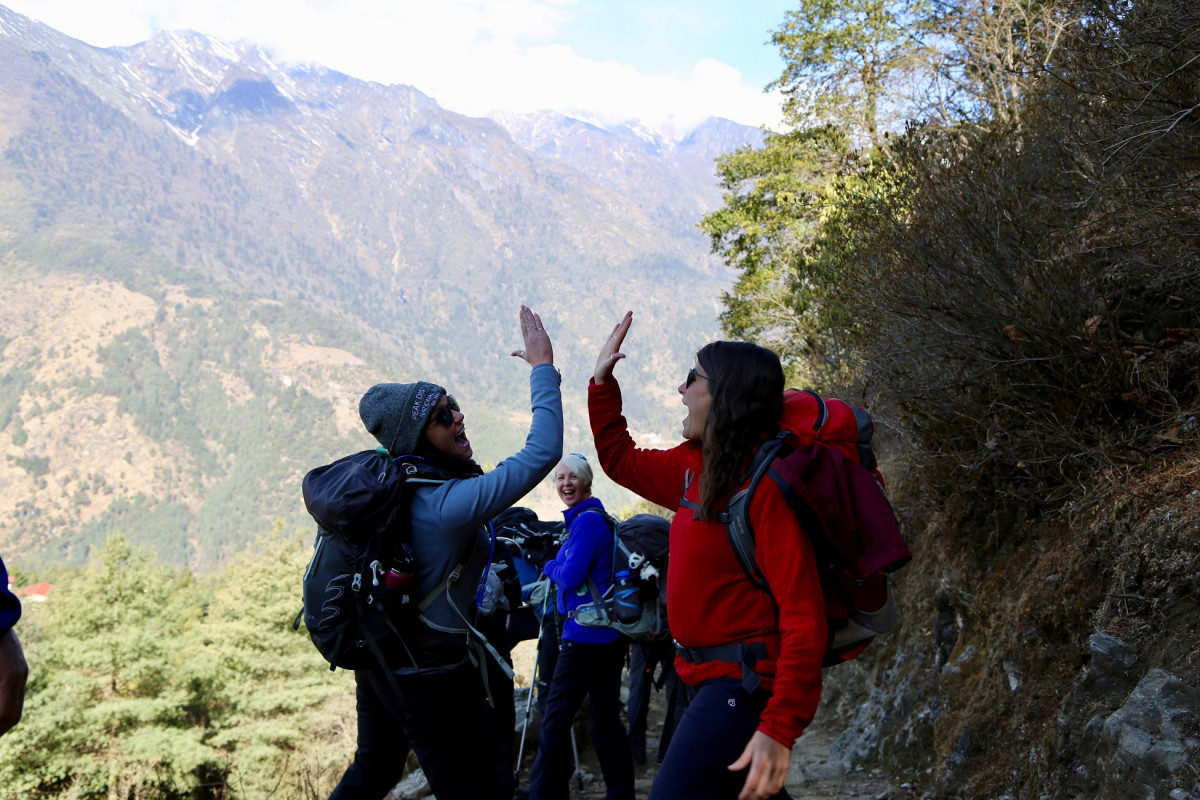
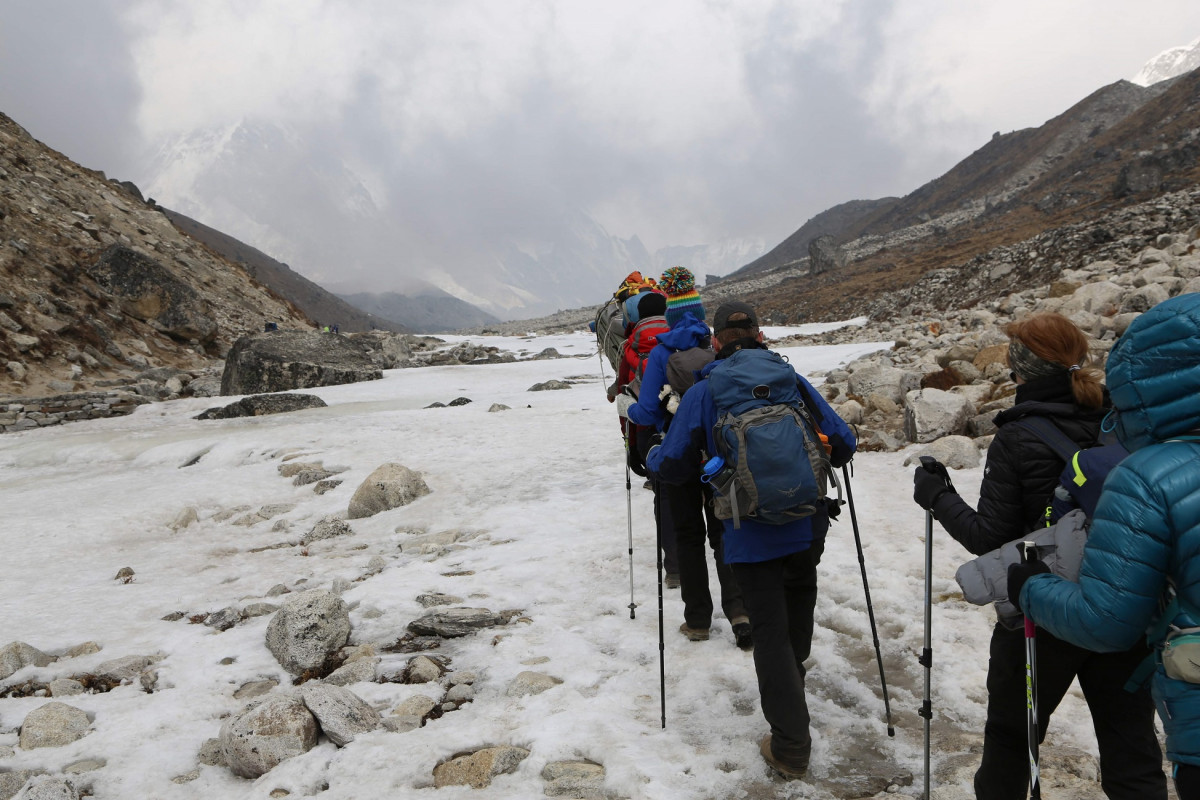
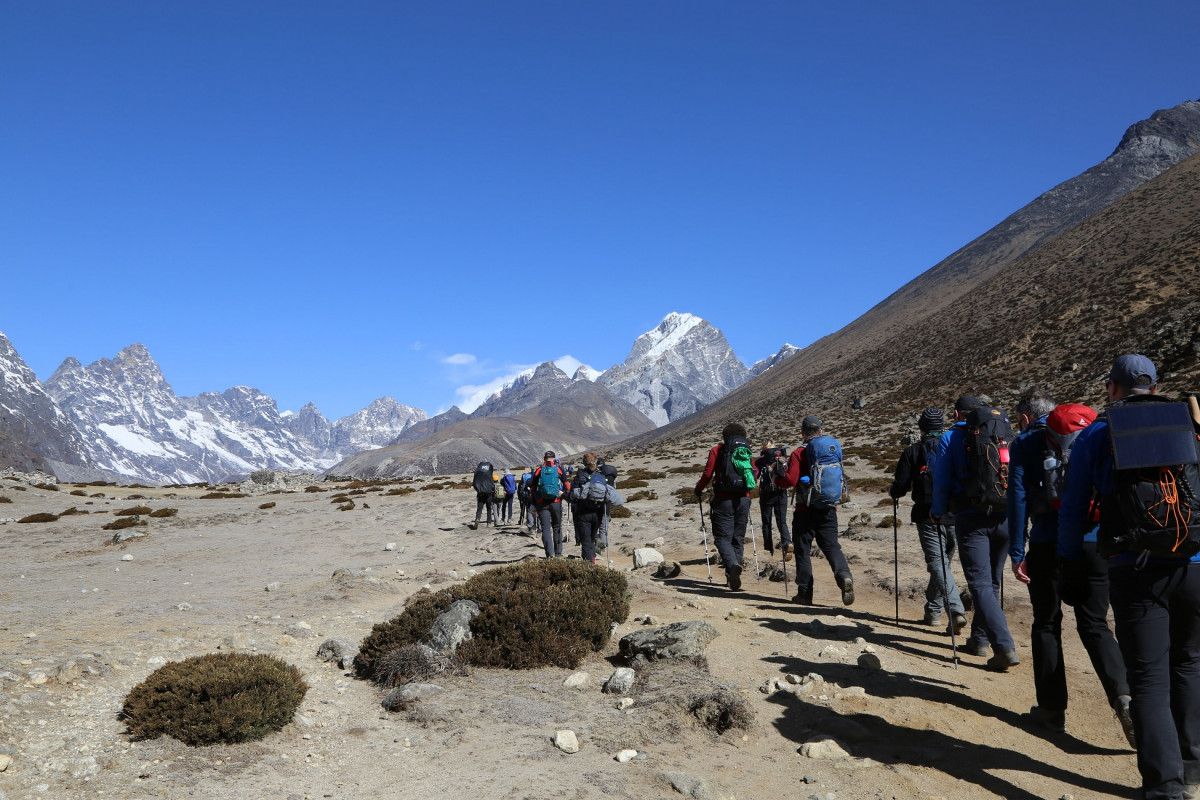
Leaving Dingboche after another vital acclimatisation day, the trails ascend gently but still the pace is easy – it’s important not to rush in the rarefied atmosphere. We reach Lobuche (4910m), often reached by walking past frozen rivers where stone houses sit in an icy wilderness of stunning beauty. We stay here a night and then head to Gorakshep (5164m), site of our highest teahouse, en-route to our goal of Everest Base Camp. Reaching the famous Base Camp rocks (5380m), we celebrate with photos and hugs before heading back to Gorakshep for the night. If our legs allow, we rise early morning to trek up to the summit of Kalapatar (5545m) for sunrise views over Everest – filled with a real sense of achievement as we stare in awe at the spectacular surroundings. From here, we head on down the valley to the lower altitude of Pheriche for the night. Nights in teahouses.
Trek approx. 4 – 8 hours daily (Base Camp Day 9 – 11 hours)
We retrace the trail with comparative ease to Lukla, via Tengboche, home to an important Buddhist monastery and the largest gompa in the Khumbu region. We’re rewarded yet again with panoramic views of the Himalayan mountains. Our bodies are acclimatised to the altitude and the further we descend the fitter we feel. Where we stay on the way down is flexible. On arrival in Lukla we celebrate our success and say our thanks to our local guides and porters. Nights in teahouses.
Trek approx. 6 – 8 hours
Fly from Lukla to Kathmandu, and spend the rest of the day sightseeing, exploring, shopping or just relaxing in Kathmandu’s numerous cafés and roof-top restaurants before spending the evening celebrating our achievements! Night hotel.
NB: If flying to Ramechhap, we will transfer back to Kathmandu by vehicle (approx. 4 hours’ drive)
Free day to explore Kathmandu further and make those last-minute purchases! (Lunch and Dinner not included)
Please use the link below to download the full itinerary & challenge details.
Chitwan National Park lies in Nepal’s subtropical Terai lowlands in the south of the country. It was Nepal’s first National Park, awarded World Heritage Site status in 1984.
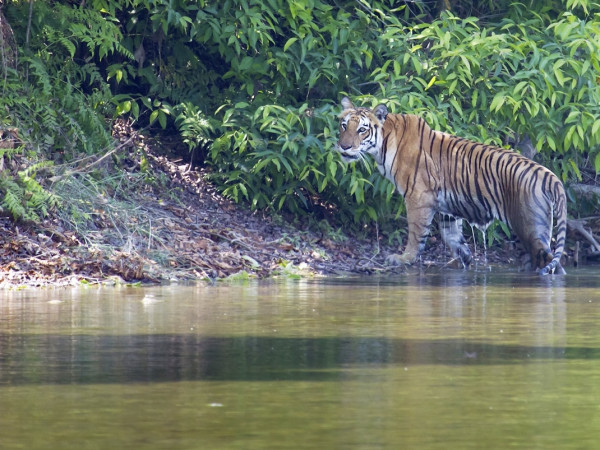
Its dense jungle, marshy wetlands and rippling grasslands are a haven to wildlife such as the one-horned rhino, sloth bear, gharial, leopard, and the creature everyone hopes to catch a glimpse of – the elusive Royal Bengal tiger. We will also keep our eyes open for the many other species of animals and birds which live here, including several species of deer and monkey.
We explore this beautiful and enchanting habitat by jeep and dug-out canoe, and also visit a local community, where the way of life is very different to what we have experienced in the mountains of Nepal.
Contact the office for pricing and availability.
Prices may vary depending on date.
07 Mar 2026 - 24 Mar 2026
Everest Base Camp Trek
Limited
19 Sep 2026 - 06 Oct 2026
Everest Base Camp Trek
Spaces
06 Mar 2027 - 23 Mar 2027
Everest Base Camp Trek
Spaces
18 Sep 2027 - 05 Oct 2027
Everest Base Camp Trek
Spaces


Your trip will be led by experienced Discover Adventure leaders. Our leaders are selected for their experience in harsh wilderness environments, knowledge of travel in remote areas, friendliness and approachability, sense of humour and ability to safely and effectively deal with any situation that arises. They are also trained in expedition first aid. You are in very safe hands with a Discover Adventure leader. Usually leaders are based in the UK or other English-speaking countries and lead for us regularly throughout the year in many different countries. In some instances, trips are led by in-country guides with a wealth of knowledge about the region; they have been trained by us to provide the level of support expected on a Discover Adventure trip.
An expedition doctor or medic accompanies the group (dependent on group size.) Their role is to look after the well-being of the whole group and deal with any medical incidents. They help the crew to ensure the trip runs smoothly, and encourage you when things get tough. The total number of crew looking after you will depend on the final size of your group.
Our local support crew is made up of local guides, assisted by drivers, porters, cooks and other support staff, depending on the type of trip. Local guides know the area well, and are a great source of knowledge about local customs and lifestyles. Not all support crew will speak English well, but are very friendly and approachable. The Discover Adventure crew work closely with the local crew to ensure your trip runs smoothly and safely.
Your leader will arrange a collection of tips for the local support crew at the end of your trek, and you will be provided with a guideline amount in advance. Tipping is not obligatory, but once you see how hard they work on your behalf you will be happy to donate something! All our local crew are paid wages, but bear in mind that the average wage in many countries may be less than you would spend on an average night out.
Your safety, and that of the rest of the group, is our highest priority. Our trips are designed and planned with safety in mind. Your crew will be equipped with appropriate communication devices (eg phones, radios), medical kit and other safety apparatus appropriate to the destination. Our leaders always have access to our 24-hour emergency UK back-up. They are responsible for safety on the trip, and will make any changes to the itinerary they deem necessary, should local conditions dictate. Pre-trip administration - such as medical questionnaires and travel insurance as appropriate - is all done with your safety in mind.
Altitude adds to the challenge, and affects people differently. Most travellers experience no more than headaches and shortness of breath (typical symptoms of being at altitude, and not usually a concern.)
Acute Mountain Sickness (AMS) or 'altitude sickness' occurs when you ascend to high altitude quickly. The best way to avoid it is to allow time for the body to adjust - our itineraries are designed with this in mind - and to walk at a slow pace (which our leaders will set). We also recommend avoiding alcohol and smoking. Problems usually begin at heights of around 3500m - 4500m. More severe symptoms are usually quickly remedied by descending to a lower altitude and taking more time to acclimatise.
Group flights usually leave from London Heathrow or Gatwick on scheduled airlines and are booked through Discover Adventure Ltd under ATOL licence 5636. By travelling with Discover Adventure you are protected by the Civil Aviation Authority (CAA).
Your journey may involve a transit en route; details of route and flight times will be confirmed several months before departure. We do not always use the same airline for each destination; if you wish to know the probable carrier and flight times, please call for details. You will usually receive confirmed flight details several months before departure. Our itineraries are always based on current flight schedules and are therefore subject to change by the airline. If you prefer to book your own flights please ask us for a land-only cost.
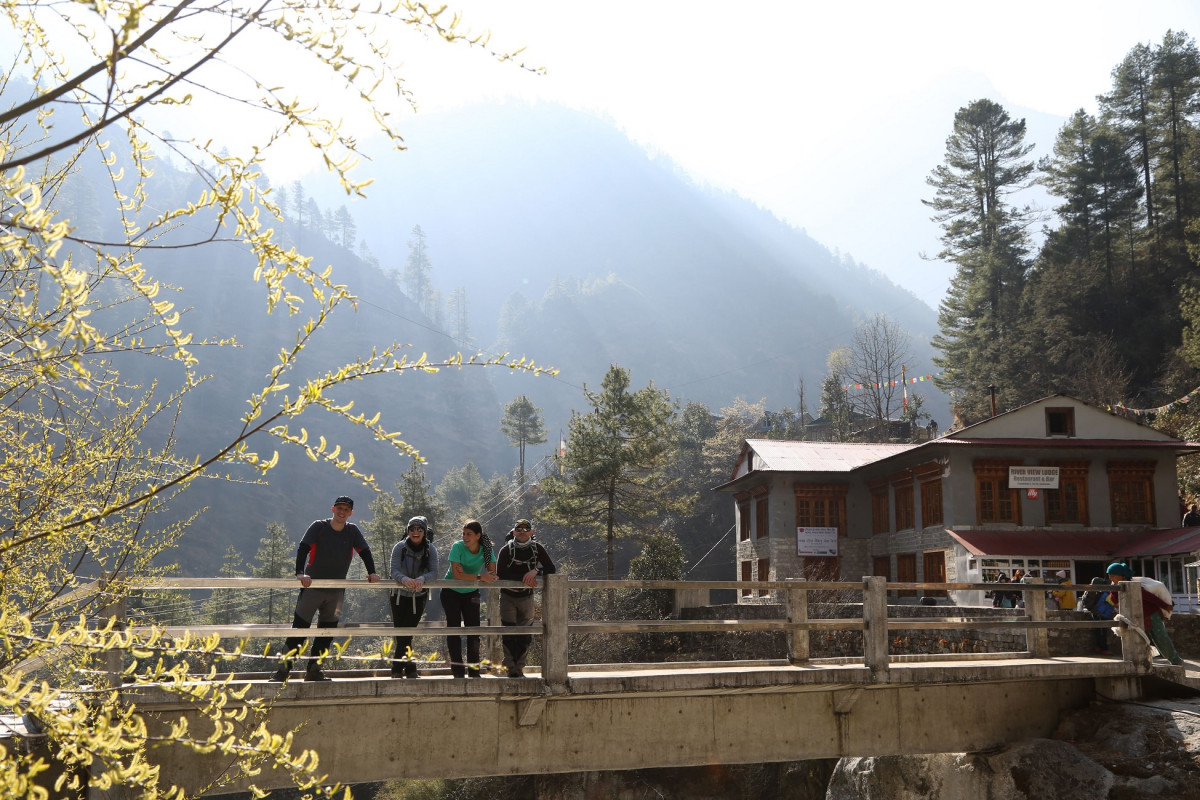
Accommodation is in teahouses (simple but comfortable mountain lodges) when trekking, and hotels or guesthouses when in cities. City accommodation is comfortable with private, twin-share facilities. Tea-houses are generally simple, and are run by individual families. The most common ‘best memory’ of a trip to Nepal is the warmth and hospitality of the local people and the evenings spent in the teahouses along the route.
The tea houses vary, but please be prepared for rustic conditions, especially if you are only used to nice hotels! Being out of your comfort zone adds to the challenge and makes your achievement all the sweeter.
In most standard hotels, we can usually offer a limited number of single rooms. This is upon request, on a first-come, first-served basis, and additional charges apply. In more communal accommodation, single rooms are rarely an option.
We do not charge a single supplement if you are a solo traveller in a shared room.
The food provided is plentiful, often local in style and freshly-cooked, and will give you plenty of energy. Sometimes we enjoy a buffet-style lunch-stop, other times we might have packed lunches. On some trips we stop at small local restaurants. Dinners are generally eaten at our accommodation each evening. In some regions there may be less variety than you are used to, and in others fresh meat or produce can be harder to come by. Any meals not included are listed in the itinerary and are generally on travel / free days, giving you the opportunity to explore and try other culinary experiences! There is always something to suit different budgets.
Being vegetarian or having other dietary requirements is not usually a problem provided you let us know well in advance. Please do not expect as much variety as you would have access to at home – we may be in very rural or remote areas, or among people of a different culture who may not understand your requirements, however willing they are to help. If you know there are plenty of foods you cannot eat we strongly recommend you bring extra snacks from home so you can top up your energy supply. Please feel free to ask us for advice.
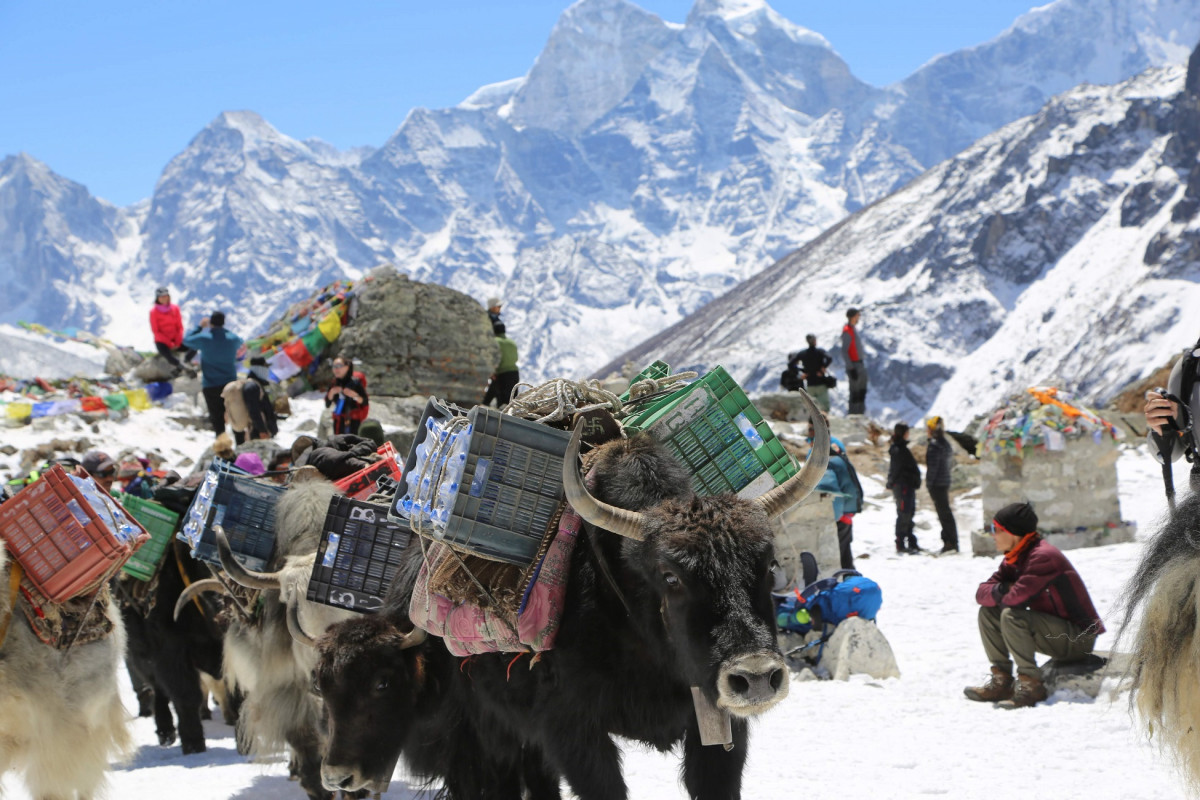
Your luggage, food, water and equipment is transported for you from one night-stop to the next. If there is easy road access this is done by vehicle; if not porters, mules or even camels might carry your bags, depending on the terrain.
Space is limited and hard-sided luggage is not suitable, so it is essential that your kit is packed in a soft bag, rucksack or expedition kitbag. Ask us about our specially-designed low-cost kitbags if you don’t have one already. You should also bring a small daypack to carry for items needed during the day as you will not have access to your main luggage until the evening.
All our trips are designed to provide a challenge. Trips are graded Yellow, Orange or Red, in increasing level of challenge. This trip lies within the RED range.
The grade is determined by factors such as terrain, distance, climate, altitude, etc. Each colour grade has a spectrum which reflects the difficulty of these factors. Trip duration, accommodation and living conditions are also taken into account. Some sections will feel more challenging than others, but the grade reflects the overall trip. Unusual weather conditions can also have a significant impact.
The Accommodation icon indicates the living conditions while trekking/cycling. While there are usually several factors that present a challenge, the Challenge icon indicates the trip's most challenging element, for most people.
This is designed to be a challenge, and it is vital that you train sufficiently for it. We will supply you with a thorough training guide once you have registered. We expect all participants to train hard in advance, but we respect everyone’s limits and do not expect everyone to maintain the same pace. Inadequate training is likely to have an impact not just on your chances of completing the challenge, but enjoying it too - and we want you to have the time of your life!
Our challenges attract people of all levels of experience, fitness and ability as well as all ages and backgrounds. We design our challenges so that everyone can go at their own pace: this is not a race. If you have concerns about your fitness or if you have reduced mobility please do contact us for a confidential chat about whether this challenge is appropriate for you.
For logistical and safety reasons we sometimes need to re-group, so the front-runners may find themselves waiting for the slower ones. Please relax, and remember that this is a team effort that enables people to achieve their personal goals and earn sponsorship.
We plan our trips around the optimal weather conditions, but could still be exposed to bad weather at any time. It is vital you are prepared for all conditions. We provide you with a detailed packing kit-list on registration, with plenty of information, and we are always available if you need advice.
Entry requirements vary depending on your destination and nationality. It is your responsibility to ensure your passport is valid, and any visas are obtained in good time. Check the FCO’s advice on entry requirements for your destination to be sure. Please ensure you allow plenty of time to apply for your visa; we will provide you will all necessary information 6 weeks prior to depature to assist with your application.
Your routine UK schedule of vaccinations should be up-to-date (especially tetanus). We recommend you check Fit For Travel for further details. You should always check with a GP or travel clinic for up-to-date travel health advice as it does change.
Travel Insurance is compulsory on all of our challenges outside of the UK; we strongly suggest that you arrange insurance cover as soon as your booking with us is confirmed, or as soon as you're able to purchase some, and at least 8 months prior to travel. Should you need to cancel prior to departure, you will need insurance to cover the costs involved (registration fee and any trip costs depending on cancellation date).
We all hope never to need it, and thankfully most of the time we don't, but on those rare occasions when you do, you want it to cover you as best it can. Whilst it's a fairly boring admin task relating to your trip of a lifetime, it is really important you ensure that you have adequate cover for the type of challenge you are taking part in as well as medical emergencies, evacuation and repatriation, so make sure you're happy with the level of cover. There are lots of suppliers out there, with a wide range in levels of cover; generally speaking, you get what you pay for! Get and pay for the right level of cover and then you can go on your adventure not having to worry about the what-if's. For more details click here.
Once your travel insurance is arranged, just remember to let us know the policy number and 24-hr medical emergency phone number provided by your insurers.
In the unfortunate circumstance that you need to cancel your booking, we would ask that you notify us in writing either by email or post. Your cancellation will be considered effective from the date the notice is received. Registration, administration and amendment fees are non refundable and, depending on your payment option and how close it is to your challenge departure date, you may be liable for a cancellation charge.
Full details of all cancellation charges may be found in the Terms and Conditions of booking.
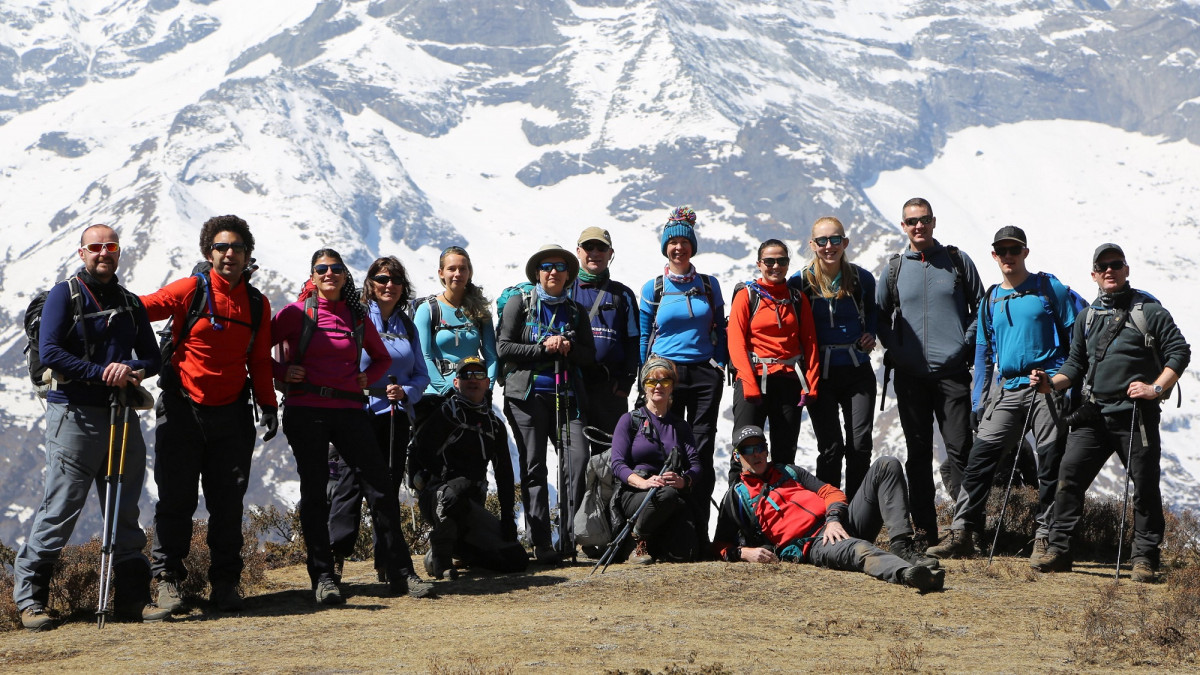
Your booking is part of a group challenge, and the tour costs and fundraising targets listed on our website are based on a minimum number of participants which is shown on the challenge Our typical groups run with approximately 15-25 participants; however you may find your group is smaller or larger than this.
We will confirm at least 12 weeks prior to departure that your challenge is guaranteed to run. Occasionally it may be possible to still run the challenge with less than the minimum numbers, subject to a small group supplement. If we think a small group supplement may be necessary, we will discuss this with you as soon as possible, usually 5 months before your departure date.
Minimum numbers and groups sizes may vary on Bespoke Charity challenges. If you are booked onto a bespoke challenge please contact your charity for full details.
We have a Passenger Portal which will give you more details of the challenge itself. It also enables you to see any outstanding information we need, the countdown to your challenge departure, see your outstanding balance, make payments and update your contact details. You can access this via the following link - Passenger Portal Log in.
For most people, the main attraction of travelling to a different country is to see new sights and enjoy new experiences. Sometimes those new experiences can make life harder or more inconvenient than you may like, such as toilet hygiene or different food, or simply a different attitude to solving problems. This is all part of the challenge you are signing up for! We are very privileged to live in a country with a high standard of living, and travelling exposes us to different challenges – all of which help broaden our horizons. We can guarantee that coming face-to-face with experiences outside your normal ‘comfort zone’ will help you bond with your fellow participants and provide you with plenty of things to laugh about! A sense of humour and sense of adventure are two of the most important things to bring with you!
We are committed to an ethos of responsible travel here at Discover Adventure; this means sustainable tourism, ethical travel, community engagement, cultural respect, wildlife protection, fair trade practices, carbon footprint reduction and more. We have been on a 30-year journey with this as one of our core principles, and it continues to evolve; you can keep up to date with what we are up to and what all of this translates into on a DA trip here.
From 2024, we will offset our entire carbon footprint, including the flights, via a carbon credit scheme (see more here). We must do all we can to be on the right side of history. Our offsetting brings peace of mind to many of our customers, but we think it is essential that our customers are aware of their impact; with this in mind, we encourage our participants to donate to World Land Trust’s Buy an Acre project when they book an adventure.
Over the years, people with wide-ranging abilities have achieved personal goals on our adventures that they may have previously assumed were out of their reach.
We must be aware of any circumstances that may affect your ability to take on the trip, whether you have concerns about fitness, health conditions or disability. This way, we can ensure we are providing the best advice and support. You will be asked to sign a medical declaration upon booking.
Whilst we will always try our best for you, by the nature of adventure, not all of our challenges are accessible, and we are not an operator specifically offering adapted adventures. If you would like to have a confidential chat with the team about anything before booking, please give us a call or an email; we will be more than happy to help.
Chitwan National Park lies in Nepal’s subtropical Terai lowlands in the south of the country. It was Nepal’s first National Park, awarded World Heritage Site status in 1984.
Its dense jungle, marshy wetlands and rippling grasslands are a haven to wildlife such as the one-horned rhino, sloth bear, gharial, leopard, and the creature everyone hopes to catch a glimpse of – the elusive Royal Bengal tiger. We will also keep our eyes open for the many other species of animals and birds which live here, including several species of deer and monkey.
We explore this beautiful and enchanting habitat by jeep and dug-out canoe, and also visit a local community, where the way of life is very different to what we have experienced in the mountains of Nepal.
Contact the office for pricing and availability.
Dawn - September 2025
Our journey to Everest Base Camp was an unforgettable adventure and one of the most rewarding challenges we’ve ever experienced. The trek tested our endurance and determination, but was worth it - the stunning landscapes, the camaraderie of our team, and the…
Read more + incredible support from our guide and doctor made it truly special. Reaching Base Camp was a moment of pure emotion and pride. It’s an experience that will stay with us forever.
Read less -
Amanda - September 2025
The Everest Base Camp Trek was amazing. Had to dig deep but loved everything about it from the views, to the team that looked after us, to the group I travelled with - what an amazing experience. Would recommend to anyone!
Rob - September 2025
Just do it. You have it in you and Discover Adventure will support you all the way.
Ed - September 2025
A great trip and already looking forward to my next with DA
Harry - March 2024
It was a fantastic trip. I would recommend booking with Discover Adventure to anybody - The package booking made everything so easy! While in Nepal, we were very well looked after, and Dinesh, our local guide, was just amazing.
Please select the relevant login button based on whether you are logging in as an individual (passenger) or from an organisation; charity, corporate or school.